10 Best Low Stimulation Shows for Toddlers & Preschoolers
A child can watch one cartoon for ten minutes and then happily go back to building a tower with blocks. Another child may watch a fast-paced show and immediately ask for the next episode, become restless, or struggle to move on to something else.
If you have noticed this difference, you are not imagining it.
For many parents, the question isn’t simply “How much screen time should my child have?” It is also “What should my child watch when we do use a screen?”
That is where Low Stimulation Shows for Toddlers can be useful.
These programs generally use calmer pacing, fewer rapid scene changes, simpler storylines, gentler sound design and more time for children to follow what is happening. They are not a replacement for play, conversation, books or outdoor activity—but they can be a more thoughtful choice when a screen is part of a family’s routine.
Here are 10 gentle shows worth considering for toddlers and preschoolers, along with practical tips for choosing and using them.
What are low stimulation shows for toddlers?
Low stimulation shows are children’s programs designed or perceived to have a slower pace, simpler visual presentation, fewer rapid transitions and less sensory intensity than many fast-paced children’s videos.
There is no universal medical or educational label that officially certifies a program as “low stimulation.” Parents are usually using the term to describe how a show feels: calm rather than frantic, predictable rather than constantly surprising, and easy to follow rather than overloaded with sounds, characters and visual effects.
The American Academy of Pediatrics specifically advises parents to avoid fast-paced programs and content with distracting features for young children, while emphasizing high-quality programming and shared viewing.
So, rather than asking whether a show has a “low-stimulation certificate,” look at how the show is made and how your child responds to it.
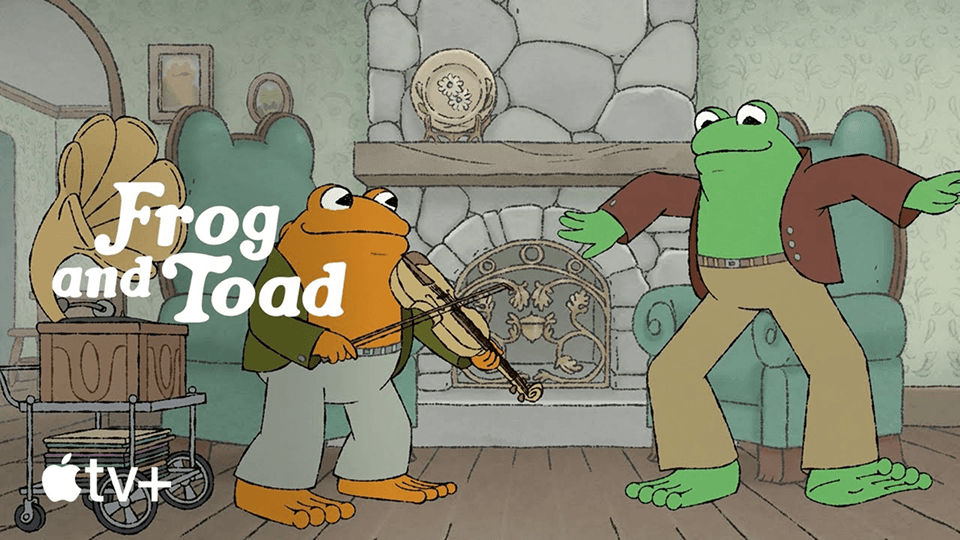
1. Frog and Toad
Best for: Friendship, everyday problems and gentle storytelling
Based on Arnold Lobel’s beloved characters, Frog and Toad follows two very different friends as they navigate ordinary situations together.
What makes it appealing for families looking for calmer children’s television is its emphasis on conversation, friendship and relatively simple story situations rather than nonstop action. Apple describes the central relationship as one where Frog and Toad learn to appreciate both their similarities and differences.
Why parents may like it: It gives children something to talk about. You can pause after an episode and ask, “Why do you think Toad did that?” or “What would you do if your friend felt that way?”
Good age range: Preschoolers, particularly children who enjoy stories and character relationships.

2. Stillwater
Best for: Emotional awareness, friendship and mindfulness
Stillwater follows three siblings and their wise panda neighbor, who helps them look at everyday challenges from a different perspective.
The series is particularly interesting for parents who want children’s content that leaves room for conversations about feelings, patience and relationships. Apple describes Stillwater as a character who gives the children new perspectives on themselves, each other and the world.
The show has also continued beyond its original seasons, with a fifth season released in August 2026.
Try this after watching: Ask your child, “What was the problem, and how did the character solve it?”
That simple question turns passive viewing into a conversation.
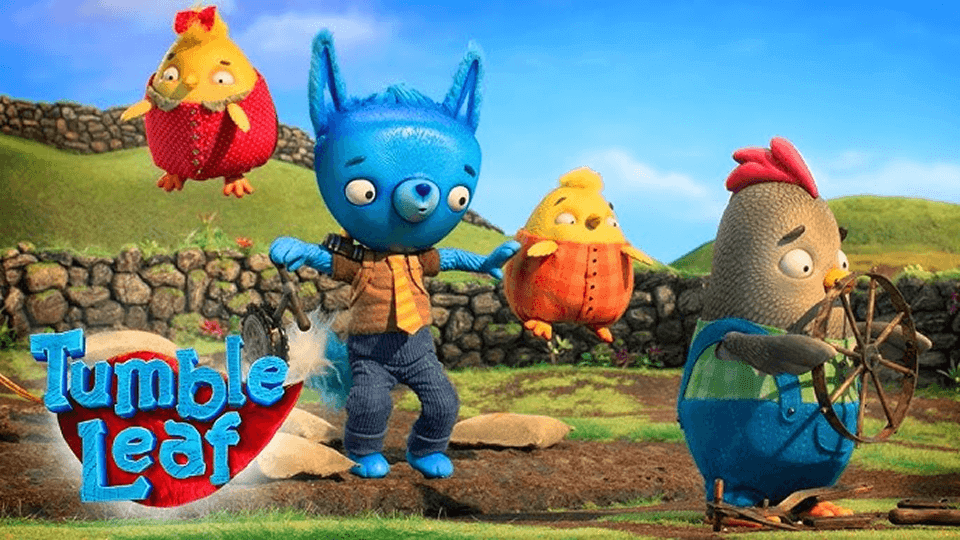
3. Tumble Leaf
Best for: Curiosity, nature, science and imaginative play
Tumble Leaf is one of the strongest choices on this list for children who love discovering how things work.
The show’s official site describes it as a preschool series centered on play, with stories involving nature, science, humor and exploration. It is also known for its calm atmosphere and whimsical visual world.
This makes it particularly useful for parents who want to connect screen content with hands-on activities.
For example, after watching an episode involving floating objects, give your child a bowl of water and a few safe household objects. Ask:
“Which ones do you think will float?”
Now the screen becomes a starting point for real-world exploration.
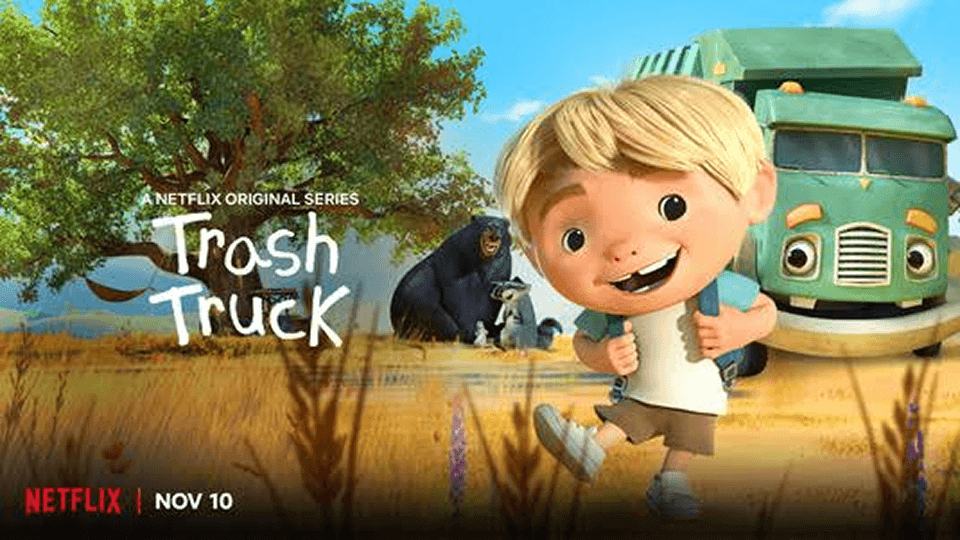
4. Trash Truck
Best for: Imagination, friendship and everyday adventures
The premise sounds unusual: a six-year-old boy named Hank has a giant trash truck as his best friend.
But that simple idea creates surprisingly gentle adventures involving animals, friendship, imagination and everyday experiences.
Netflix describes the show as following Hank and his trash-truck friend as they explore their world with animal friends.
It can be a particularly good choice for children who are fascinated by vehicles, machines and how things work.
And if your child starts asking questions about garbage trucks after watching it, don’t rush to stop the conversation. That’s often the useful part.
“Where does our rubbish go?”
“Why does the truck need such a big container?”
A simple cartoon can lead to a surprisingly good learning conversation.
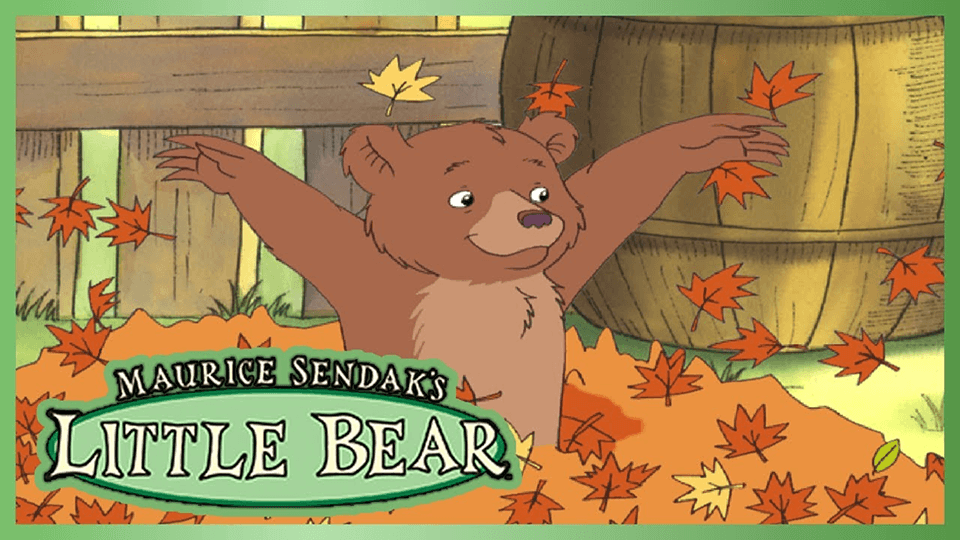
5. Little Bear
Best for: Quiet imaginative play
Little Bear is an older favorite that many parents remember from their own childhood.
Its stories tend to focus on Little Bear, his family and friends, imaginative games, nature and ordinary childhood experiences.
That slower storytelling style can feel very different from modern children’s videos that change scenes rapidly or rely heavily on visual surprises.
For younger preschoolers, the biggest value may be what happens after the episode.
A child may start pretending to camp, play with toy animals, make a pretend picnic or invent a story with a teddy bear.
That transition from watching to pretending is worth encouraging.
6. Puffin Rock
Best for: Nature and early science conversations
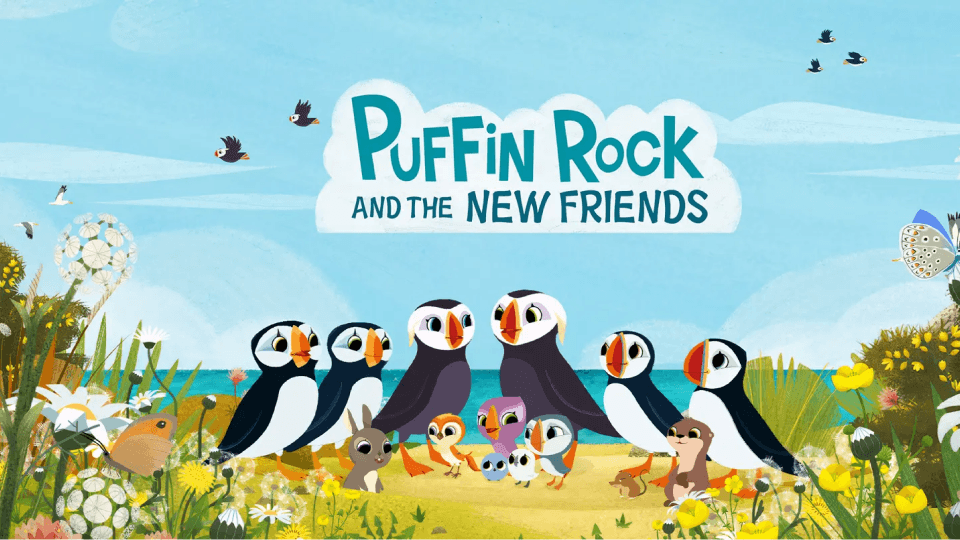
Puffin Rock is specifically made for preschool children aged approximately 2–5 and is set around an island environment where nature and wildlife are central to the stories.
The characters explore their surroundings while dealing with familiar childhood themes such as friendship, family and belonging.
For parents in Pakistan, this can also be a nice way to introduce children to animals and natural environments they may not encounter every day.
After an episode, try looking up a real puffin, seal, owl or rabbit together.
Better still, take the conversation outside.
“Can you find a bird?”
“What sounds can you hear?”
The goal isn’t to turn every cartoon into a lesson. It is simply to help children connect what they see on a screen with the world around them.
7. Sarah & Duck
Best for: Imagination, everyday problem-solving and humor
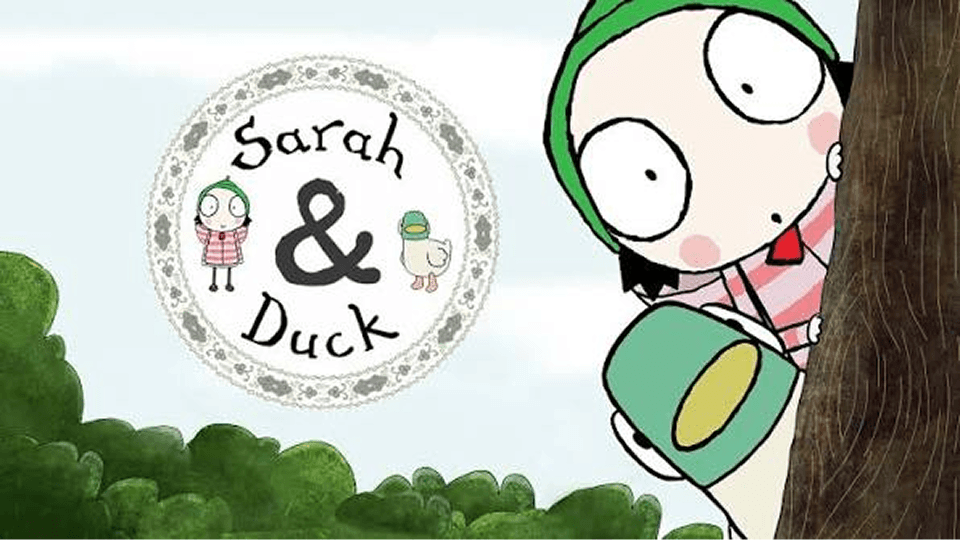
Sarah & Duck follows Sarah and her unusual best friend Duck through simple adventures in their neighborhood.
The official CBeebies description highlights their small-world adventures, from trying to reach a rainbow to pretending to be penguins and helping an umbrella stay dry.
The show also provides opportunities for children to continue the story through play. The official website includes activities such as coloring, crafts, puppets and pretend play.
That makes it a nice example of content that doesn’t have to end when the screen goes off.
Try this: After an episode, give your child paper, crayons and a simple prompt:
“Draw Sarah and Duck going somewhere new.”
There is no need to correct the drawing. Let the child invent the story.
8. Oswald
Best for: Gentle stories and social situations
Oswald follows a friendly blue octopus through everyday adventures with his friends.
Its straightforward storytelling and familiar social situations make it an option for preschoolers who enjoy character-based cartoons without needing constant action.
Episodes can also give parents natural opportunities to talk about friendship, patience, sharing and solving small problems.
For a child who is still developing language, you can keep your questions very simple:
“Who is Oswald’s friend?”
“What happened?”
“Was he happy or sad?”
Young children don’t need a long discussion. Even a few back-and-forth exchanges can make viewing more interactive.
Harvard’s Center on the Developing Child describes these responsive back-and-forth interactions between children and adults as “serve and return,” emphasizing their importance for early language and social development.
9. The Stinky & Dirty Show
Best for: Problem-solving, vehicles and creative thinking
If your preschooler is obsessed with trucks, garbage vehicles, construction equipment or anything with wheels, this one can be a useful alternative to more frantic vehicle-based content.
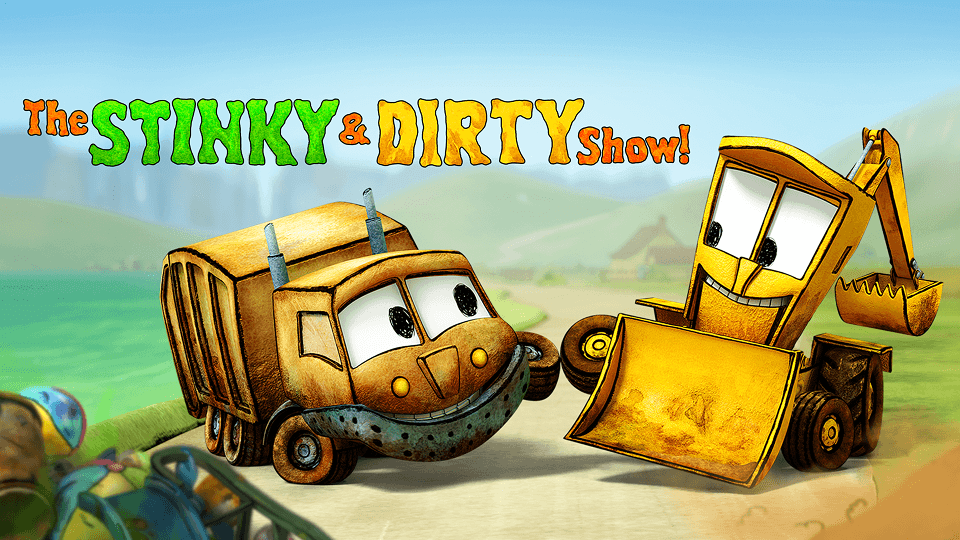
The stories follow Stinky, a garbage truck, and Dirty, a backhoe loader, as they encounter problems and figure out ways to deal with them.
The appeal isn’t simply that the characters are vehicles. It’s that problems become part of the story.
A parent can extend that naturally:
“How could we build a bridge for your toy car?”
Then get out some blocks.
Five minutes of building may be more valuable than watching another episode.
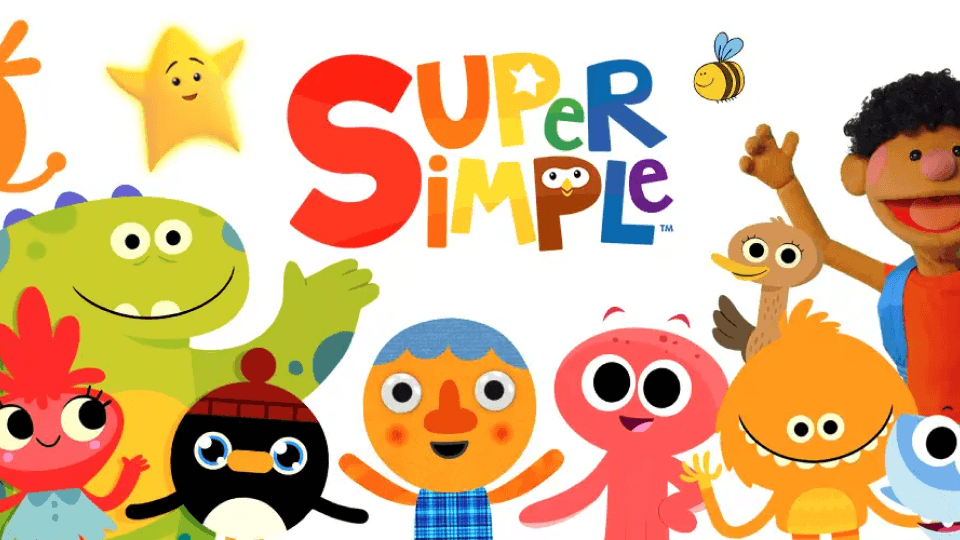
10. Super Simple
Best for: Songs, routines and simple movement activities
Super Simple is slightly different from the story-based shows above. It includes songs and preschool content designed around simple concepts, movement, routines and early learning.
For families, this can be useful when a child wants music rather than a long cartoon.
Choose slower songs when you are looking for a calmer experience, and don’t feel that you have to play video after video.
One song can be enough.
You might watch a song about actions and then put the screen away:
“Now let’s do those actions ourselves.”
That small change matters. The child is moving, listening and interacting rather than simply continuing to consume videos.
10. Super Simple
What makes a children's show “low stimulation”?
There isn’t one magic feature.
A Low Stimulation Shows for Toddlers usually combines several characteristics:
| What to look for | Why it can help |
|---|---|
| Slower scene changes | Gives children more time to process what they see |
| Simple storylines | Makes the narrative easier to follow |
| Fewer visual effects | Reduces unnecessary visual distraction |
| Natural conversations | Gives children language to listen to |
| Predictable routines | Can make stories easier to understand |
| Gentle sound design | Avoids constant loud or sudden audio |
| Small number of characters | Makes relationships easier to follow |
| Opportunities for imagination | Encourages children to continue playing after viewing |
This does not mean every fast-paced show is harmful or every slow show is educational.
Content quality, the individual child, viewing duration and what happens around screen use all matter.
The American Academy of Pediatrics recommends high-quality media for young children and emphasizes co-viewing and helping children connect what they see on screens with the real world.
Are Low Stimulation Shows for Toddlers?
They can be a useful option, particularly when parents are trying to avoid very fast-paced or visually distracting programming.
But the bigger picture matters.
A calm 20-minute show does not automatically become beneficial simply because it is calm. Young children still need opportunities to move, talk, play, explore, read and interact with people.
Harvard’s Center on the Developing Child emphasizes responsive relationships and play as important parts of early development. Its resources describe play as supporting relationships, life skills and healthy development.
So think of Low Stimulation Shows for Toddlers as one small part of a child’s day—not the foundation of it.
How much screen time should toddlers and preschoolers have?
For children ages 2–5, the American Academy of Pediatrics recommends limiting screen use to about one hour per day of high-quality programming, with parents encouraged to watch with children and help them understand and apply what they see. For children younger than 18 months, the AAP recommends avoiding screen media other than video chatting; for 18–24 months, parents who introduce media should choose high-quality content and watch together.
These recommendations are useful starting points, but families also need practical routines.
For example, a preschooler might watch one short episode after returning home, then move on to snack, outdoor play, drawing or building.
The important question isn’t only “Did my child watch TV?”
Ask:
“What did the screen replace?”
If a cartoon replaced an hour of running around outside every day, that’s different from a short episode while dinner is being prepared.
How can parents make screen time more useful?
Try the watch → talk → do approach.
1. Watch
Choose one age-appropriate episode rather than allowing autoplay to decide what comes next.
2. Talk
Ask one or two simple questions.
“What happened?”
“Why was the character upset?”
“What would you do?”
3. Do
Turn something from the episode into real life.
If the show involved animals, look for birds outside.
If it involved building, use blocks.
If it involved colors, draw together.
If it involved emotions, talk about a time your child felt the same way.
This approach fits with the broader idea of responsive interaction. Harvard’s Center on the Developing Child notes that back-and-forth interactions help support children’s language and social development.
What should parents avoid when choosing children's shows?
Be cautious with programs that rely heavily on:
- Very rapid scene changes
- Constant loud sounds
- Frequent visual effects
- Nonstop action
- Excessive product promotion
- Scary or violent content
- Stories that are difficult for your child’s age to understand
- Endless autoplay
Also watch your child’s behavior.
If your child consistently becomes extremely upset when the episode ends, immediately demands more, or has difficulty transitioning back to normal play, consider shortening the session and changing the routine.
The show may not be the only reason, but it is useful information about how your child responds to it.
A simple screen-time routine for families in Multan
For families in Multan and elsewhere in Pakistan, screen time often becomes more tempting during very hot afternoons, when outdoor play isn’t practical.
Instead of trying to eliminate screens completely, build a predictable rhythm.
For example:
Morning: Outdoor play or physical activity
Late morning: Preschool, reading, crafts or hands-on learning
Afternoon: Quiet time
Screen: One selected episode
After screen: Snack, drawing, blocks or pretend play
Evening: Family interaction and outdoor time when weather allows
The exact routine will obviously depend on the child, weather, school schedule and family circumstances.
The important part is that television doesn’t become the automatic activity every time a child says, “I’m bored.”
Boredom itself can create space for imagination.
A simple screen-time routine for families in Multan
If you want a quick starting point:
| Your child’s interest | Try |
|---|---|
| Friendship and stories | Frog and Toad |
| Feelings and mindfulness | Stillwater |
| Science and exploration | Tumble Leaf |
| Trucks and vehicles | Trash Truck |
| Quiet imaginative play | Little Bear |
| Animals and nature | Puffin Rock |
| Imagination and everyday adventures | Sarah & Duck |
| Simple social stories | Oswald |
| Problem-solving and vehicles | The Stinky & Dirty Show |
| Songs and movement | Super Simple |
You don’t need to find one “perfect” show.
Watch a little with your child and observe.
Does your child understand the story? Are they interested without becoming frantic? Do they talk about the characters afterward? Can they switch comfortably to another activity?
Those observations are often more useful than a generic “best kids shows” list.
The goal isn't zero screen time
For young children, the healthiest approach isn’t necessarily about finding a magical cartoon that makes screen time educational.
It is about keeping the screen in its proper place.
A child who watches Tumble Leaf and then goes outside looking for leaves is doing something different from a child who watches five unrelated videos through autoplay.
A child who watches Stillwater and talks to a parent about feelings is having a different experience from a child watching alone for hours.
And a child who watches Frog and Toad before putting the tablet away and building a pretend house with blocks is still learning through play.
Screens can be part of childhood.
They just don’t need to be the whole childhood.
For families in Multan, that may mean choosing a calm show during a hot afternoon, then putting the screen away and giving children something real to explore—blocks, crayons, books, plants, puzzles, water play, LEGO or simply an empty cardboard box.
Sometimes the best activity starts when the screen turns off.
At Kids Bootcamp & Preschool, we believe young children learn through a mix of play, exploration, conversation, creativity and hands-on experiences. Screen time can have a place, but it should sit alongside the experiences children can touch, build, question and share with other people.
FAQs

1. What are the best low stimulation shows for toddlers?
Some gentle options include Frog and Toad, Stillwater, Tumble Leaf, Trash Truck, Little Bear, Puffin Rock, Sarah & Duck, Oswald, The Stinky & Dirty Show and selected Super Simple content. The best choice depends on the child’s age, temperament and interests.
2. Are low stimulation shows better for toddlers?
They can be a useful choice because calmer pacing and simpler storytelling may be easier for young children to follow. However, “low stimulation” is not a formal medical classification, and a calm show should not replace play, conversation, sleep, reading or physical activity.
3. What makes a cartoon low stimulation?
Parents commonly look for slower pacing, fewer rapid scene changes, less visual clutter, gentler sound and straightforward storylines. These characteristics can make a program feel calmer than highly fast-paced children’s content.
4. How much screen time is recommended for preschoolers?
The American Academy of Pediatrics recommends no more than about one hour per day of high-quality programming for children ages 2–5, alongside co-viewing and other activities. Children under 18 months generally should avoid screen media except video chatting.
5. Is Stillwater suitable for young children?
Stillwater is a gentle animated series centered around a wise panda and three siblings. Apple currently lists it as a kids and family program and describes its stories as giving children new perspectives on themselves, each other and the world. Parents should still check the current age rating and decide whether its themes suit their individual child.
6. Is Puffin Rock educational?
Puffin Rock incorporates nature and wildlife into stories for preschool children. Its official website describes the series as being aimed at children approximately 2–5 years old, with friendship and family relationships also central to the stories.
7. Should parents watch cartoons with toddlers?
When practical, yes. Co-viewing allows parents to explain what is happening, answer questions and connect the story with real-life experiences. The AAP recommends shared viewing for young children, while Harvard emphasizes the importance of responsive back-and-forth interactions between children and caregivers.
8. What should a child do after watching a low-stimulation show?
Ideally, transition into another activity such as drawing, building, pretend play, reading, outdoor exploration or conversation. A short episode can become a starting point for hands-on learning rather than the end of the activity.
Benefits of Bootcamps for Kids: How Bootcamps Spark New Interests and Passions
Bootcamps for kids, In today’s fast-paced world, children are constantly exposed to a wide range of academic subjects and extracurricular activities. While traditional schooling provides a strong foundation in literacy, numeracy, and general knowledge, it often lacks the flexibility and creativity required for children to explore their unique interests and discover new passions. This is where bootcamps for kids play a truly transformative role.
Bootcamps for kids are immersive learning experiences designed to challenge, engage, and inspire children beyond the limitations of a traditional classroom. These programs focus on hands-on learning, creativity, and exploration, allowing children to learn through experience rather than memorization. Whether focused on STEM, arts, sports, or leadership, these environments provide opportunities for children to develop curiosity, creativity, and personal growth in a way that traditional education often cannot.
Exposure to New Fields and Experiences
One of the most valuable advantages of bootcamps for kids is the exposure they provide to diverse fields and experiences. Many children go through school without ever encountering subjects like robotics, digital design, entrepreneurship, or environmental science in a practical way. Bootcamps bridge this gap by introducing children to these exciting areas through engaging and interactive activities.
For example, STEM-focused programs allow children to experiment with coding, robotics, and engineering concepts. Creative programs encourage exploration through drawing, painting, and digital illustration. These varied experiences help children identify their interests early and understand what excites them the most.
Hands-On Learning Fosters Deeper Engagement
A key strength of bootcamps for kids is their emphasis on experiential learning. Instead of passively receiving information, children actively participate in projects, experiments, and challenges. This approach not only makes learning more enjoyable but also helps children retain knowledge more effectively.
For instance, a child building a simple machine or creating a basic game learns through trial, error, and problem-solving. These moments of discovery are powerful because they create a sense of ownership and achievement. Hands-on learning ensures that children are not just learning concepts—they are applying them in meaningful ways.
Encouraging Exploration and Open-Minded Thinking
Another important benefit of bootcamps for kids is the encouragement of exploration. Children are given the freedom to try different activities without fear of failure or judgment. This freedom is essential for developing curiosity and open-mindedness.
When children are exposed to a wide range of activities—such as art, science experiments, teamwork exercises, and creative problem-solving—they begin to understand that learning is not limited to textbooks. Instead, it becomes an exciting journey of discovery. This mindset encourages them to take initiative and explore new ideas independently.
Building Confidence Through Achievement
Confidence is a critical factor in a child’s development, and bootcamps for kids play a significant role in building it. As children complete projects, solve problems, and achieve small milestones, they begin to believe in their abilities.
This sense of accomplishment motivates them to take on bigger challenges and push beyond their limits. Over time, children develop resilience and the confidence to face new situations with a positive mindset. These qualities are essential not only in academics but also in everyday life.
Personalized Learning and Guidance
Every child is unique, with different strengths, interests, and learning styles. One of the reasons bootcamps for kids are so effective is their ability to provide personalized learning experiences. Instructors often work closely with children, offering guidance, feedback, and encouragement tailored to individual needs.
This personalized attention helps children progress at their own pace while also challenging them to improve. Whether a child shows interest in coding, art, or leadership, they receive the support needed to grow and refine their skills.
Social Interaction and Collaborative Learning
Learning is not just an individual experience—it is also social. Bootcamps for kids create an environment where children interact with peers, collaborate on projects, and learn from one another. These interactions play a crucial role in shaping communication skills, teamwork, and empathy.
Group activities encourage children to share ideas, listen to others, and work together toward a common goal. This collaborative approach not only enhances learning but also helps children build meaningful friendships and develop essential social skills.
Long-Term Impact on Personal Growth
The benefits of bootcamps for kids extend far beyond the duration of the program. The interests and skills children develop often continue to grow long after the bootcamp ends. Many children pursue hobbies, advanced courses, or personal projects based on what they discovered during their experience.
For example, a child who develops an interest in robotics may continue exploring it through competitions or advanced learning. Similarly, a child who enjoys creative activities may pursue art or design as a long-term passion. These experiences contribute to well-rounded personal development and help shape future career paths.
Developing Essential Life Skills
In addition to academic and creative growth, bootcamps for kids help children develop essential life skills. These include problem-solving, critical thinking, time management, and adaptability. Children learn how to approach challenges, think creatively, and persist even when faced with difficulties.
Such skills are invaluable in today’s rapidly changing world, where the ability to adapt and learn continuously is more important than ever. Bootcamps provide a safe space for children to practice these skills and build a strong foundation for the future.
Creating a Love for Lifelong Learning
One of the most important outcomes of bootcamps for kids is the development of a love for learning. When children associate learning with fun, exploration, and achievement, they are more likely to stay curious and motivated throughout their lives.
This shift in mindset transforms learning from a task into an enjoyable experience. Children begin to seek knowledge on their own, explore new ideas, and pursue their passions with enthusiasm.
Conclusion
In conclusion, bootcamps for kids are powerful platforms that go beyond traditional education. They provide opportunities for children to explore new fields, engage in hands-on learning, and develop confidence through achievement. By encouraging creativity, curiosity, and collaboration, these programs help children discover their true potential.
For parents looking to support their child’s growth, enrolling them in bootcamps for kids can be a meaningful investment in their future. These experiences not only help children find their interests and passions but also equip them with the skills and mindset needed to succeed in life.
Creative Bootcamps: Encouraging Innovation, Critical Thinking, and New Passions in Children
Creative bootcamps are becoming one of the most powerful modern learning approaches for children. Creative bootcamps for kids are designed to go beyond traditional classroom learning by encouraging imagination, innovation, and hands-on exploration. In today’s fast-evolving world, fostering creativity, innovation, and curiosity in children is more important than ever. Traditional classrooms, while essential for academics, often lack the hands-on, experimental learning that helps children discover their unique interests and abilities. This is where creative bootcamps for kids play a transformative role.
bootcamps for kids are immersive learning experiences designed to challenge, engage, and inspire children beyond the limitations of a traditional classroom. These programs focus on creativity, problem-solving, and experiential learning, allowing children to grow through real-world activities. Whether focused on STEM, arts, sports, or leadership, creative bootcamps for kids help develop curiosity, innovation, and personal growth in a highly engaging environment.
Exposure to New Fields and Experiences
One of the most valuable advantages of creative bootcamps for kids is the exposure they provide to diverse fields and experiences. Many children never encounter subjects like robotics, digital design, filmmaking, or entrepreneurship in traditional schooling. Creative bootcamps for kids bridge this gap by introducing them to these exciting areas through hands-on activities.
Through these programs, children explore new interests and discover hidden talents. A child may find a passion for coding, while another may excel in painting or storytelling. These experiences help children understand what truly excites them.
Hands-On Learning Fosters Deep Engagement
A key strength of creative bootcamps for kids is experiential learning. Instead of memorizing concepts, children actively participate in building, designing, and experimenting.
For example, in coding-based creative bootcamps for kids, students may create games or apps. These activities help them think logically while also expressing creativity. Every challenge in these programs encourages problem-solving and persistence.
Encouraging Exploration and Open-Minded Thinking
Creative bootcamps for kids encourage children to step outside their comfort zones. They are exposed to activities they might not normally try, which builds curiosity and confidence.
By participating in these programs, children learn that it is okay to experiment, fail, and try again. This mindset is essential for lifelong learning and adaptability.
Building Confidence Through Achievement
Confidence is a natural outcome of bootcamps for kids. As children complete tasks, solve problems, and create projects, they feel a strong sense of achievement.
These small wins build resilience and motivate children to take on bigger challenges in the future.
Personalized Learning and Mentorship
Many creative bootcamps for kids offer personalized guidance, helping children develop their strengths. Mentors support them in refining skills and exploring interests.
This personalized approach ensures these programs are effective in nurturing both creativity and confidence.
Social Interaction and Collaboration
Creative bootcamps for kids also encourage teamwork and collaboration. Children work together on projects, share ideas, and learn from each other.
These group experiences improve communication skills and teach the value of cooperation.
Long-Term Impact on Personal Growth
The influence of creative bootcamps for kids continues long after the program ends. Many children continue pursuing hobbies or skills they discovered during these programs.
Whether it’s art, coding, or science, these experiences often shape future interests and even career paths.
Developing Essential Life Skills
Beyond creativity, creative bootcamps for kids help children develop critical thinking, problem-solving, and adaptability. These skills are essential for success in a rapidly changing world.
Repeated participation in these programs strengthens resilience and independent thinking.
Conclusion
Creative bootcamps for kids are powerful learning environments that go far beyond traditional education. They encourage innovation, curiosity, and hands-on exploration while helping children discover their passions.
For parents seeking meaningful development opportunities, creative bootcamps for kids provide a structured yet flexible way for children to grow, explore, and build confidence for the future.
Top 5 Benefits of Kids Bootcamp for Confidence and Character Development
benefits of Kids Bootcamp, In today’s fast-paced world, children are constantly exposed to challenges that require more than just academic knowledge. They need confidence, resilience, communication skills, and strong character to succeed in life. While traditional education focuses on academics, experiential learning programs like a Kids Bootcamp provide a powerful environment for overall personality development.
A Kids Bootcamp is not just a learning program—it is a structured experience that helps children grow physically, mentally, socially, and emotionally. Through hands-on activities, teamwork, and guided challenges, children develop essential life skills that stay with them forever. In this article, we explore the top 5 benefits of Kids Bootcamp in shaping confident and well-rounded individuals.
1. Building Self-Confidence
One of the biggest benefits of Kids Bootcamp is the development of self-confidence. Confidence is not something children are born with—it is built through experience, practice, and achievement.
In a bootcamp environment, children are encouraged to try new activities, solve problems, and step outside their comfort zones. Whether it’s completing a task, presenting an idea, or working on a creative project, each achievement helps them believe in their abilities.
As children successfully complete challenges, they start developing a positive self-image. They learn that effort leads to success and mistakes are part of learning. This mindset helps them become more confident in school, social settings, and everyday life.
2. Enhancing Teamwork and Social Skills
Another key benefit of Kids Bootcamp is improved teamwork and social interaction. Children rarely work alone in bootcamp activities—they collaborate in groups, share ideas, and solve problems together.
This environment helps them develop important social skills such as communication, listening, cooperation, and empathy. They learn how to respect different opinions and work toward a common goal.
Being part of a diverse group also helps children build friendships and understand different perspectives. These experiences improve emotional intelligence and prepare them for real-world social situations.
3. Developing Discipline and Responsibility
Discipline is a major foundation of personal growth, and it is strongly developed in Kids Bootcamp programs. Children follow schedules, complete assigned tasks, and learn to manage their time effectively.
This structured environment teaches them responsibility and accountability. They begin to understand the importance of completing tasks on time and staying committed to their goals.
Over time, these habits naturally transfer into their school life and daily routines, helping them become more organized and self-disciplined individuals.
4. Improving Problem-Solving and Critical Thinking
A strong benefit of Kids Bootcamp is the development of critical thinking skills. Children are regularly presented with challenges that require creative solutions and quick thinking.
Instead of simply memorizing answers, they learn how to analyze problems, explore different solutions, and make decisions independently. This process builds confidence in their intellectual abilities.
By facing real-time challenges, children also learn patience, adaptability, and logical thinking—skills that are essential for academic and future career success.
5. Strengthening Resilience and Emotional Intelligence
Resilience is the ability to handle setbacks and keep moving forward. In Kids Bootcamp programs, children face small challenges that teach them how to deal with failure in a healthy way.
They learn that mistakes are not failures but opportunities to grow. This mindset helps them become emotionally stronger and more adaptable.
At the same time, working with peers helps them understand emotions—both their own and others’. This improves empathy, communication, and emotional control, which are key parts of emotional intelligence.
Additional Benefits of Kids Bootcamp
Apart from the core benefits, Kids Bootcamp programs also offer:
- Exposure to new skills and hobbies
- Leadership development opportunities
- Increased creativity and curiosity
- A sense of achievement and confidence
- Strong peer bonding and teamwork experience
These combined experiences create a powerful foundation for lifelong learning and personal growth.
Conclusion
The Benefits of Kids Bootcamp go far beyond classroom learning. It is a holistic development experience that helps children grow into confident, disciplined, and emotionally strong individuals.
By combining fun activities with structured learning, Kids Bootcamp programs prepare children for real-life challenges in a positive and engaging way. From confidence building to teamwork and emotional intelligence, the impact is long-lasting and meaningful.
Investing in a Kids Bootcamp is ultimately an investment in a child’s future success, character, and overall development.
