
How to Focus in the Digital Era: 7 Habits to Raise Focused Kids
Your child can be smart and still struggle in class. The missing piece is often mental focus. Many experts now say attention is a better clue to success than IQ or talent. The good news is simple. Concentration is a skill, and kids can learn it.
In the digital era, learning how to focus is harder than ever. Digital distractions are everywhere. This guide uses easy words and real examples. You will see how to improve concentration, protect memory, and build calm habits at home.
Why How to Focus Matters More Than IQ
IQ shows how fast a child can learn an idea. Sustained attention decides if they stay with it long enough to use it. A child with strong mental focus reads one more page, fixes one more error, and tries again. Over years, those small wins add up to big cognitive performance.
Attention also feeds memory. If a child only half-listens, the lesson never sticks. Good learning and concentration go hand in hand. Strong focus and productivity make homework shorter and school less stressful. That is why deep thinking is worth protecting early.
A Short History: Hugo Gernsback and The Isolator
Hugo Gernsback was a writer and magazine editor. In the 1920s, he showed off The Isolator. It was a helmet that blocked sound and sight. He believed it would help people think without outside influences. It looked odd, but the goal was clear: a distraction-free environment.
This tells us something. People worried about attention spans long before smartphones. The human mind has always been easy to pull away. What changed is the amount of noise. Today, device notifications replace the loud street, and they never stop.
“A wealth of information creates a poverty of attention.” — Herbert Simon, economist and psychologist
Psychology and Neuroscience: What the Experts Say
Research in psychology and neuroscience shows that the brain’s ability to concentrate can be measured. Monica Rosenberg, a cognitive neuroscientist at the University of Chicago, studies how brain activity links to attention. Her work suggests that sustained attention has patterns we can track, and these patterns change from person to person.
Nilli Lavie works at University College London. Her work in cognitive neuroscience is known for “load theory.” In simple terms, a hard, engaging task leaves less room for distractions. An easy, boring task lets them in. So parents can help by giving kids tasks that are interesting but not too easy.
Attention Span Decline: What Surveys Show
Is there an attention span decline? The picture is mixed. Surveys of UK adults often show that people feel they read less and lose focus faster. Some teachers and schools report that young people find full novels hard. Others use literary extracts instead.
We should be careful, though. Not every study proves that shorter attention spans are real. But many families see the same pattern at home. Novelist Elif Shafak gave a talk at TED Talks, and stories take time. Short clips are quick. Long books ask for patience, and patience is a trained habit.
Digital Distractions and Task Switching
Digital distractions come in many forms. Smartphone notifications, social media distractions, and open internet tabs all break a child’s flow. Each ping starts task switching. The brain must stop, shift, and restart. This costs time and adds mental fatigue.
The table below shows common distractions and easy fixes. Use it as a quick guide when you plan homework time.
| Distraction | Example | Easy fix |
|---|---|---|
| Smartphone notifications | Buzzing during homework | Phone in another room |
| Social media distractions | Quick scroll before study | Set app limits |
| Internet tabs | Ten tabs open at once | One tab, one task |
| Television distractions | Television episodes on in the background | TV off during study |
| Environmental distractions | Loud siblings, clutter | Quiet, tidy desk |
Case Study: A Classroom of Distracted Students
Here is an illustrative example, not a real study. A teacher notices distracted students in her class. She tries modular lessons. Each lesson has short parts of ten to fifteen minutes. After each part, the students take a one-minute break.
Focus gets better. Students stay with the task, and work gets finished. The teacher also adds a phone basket at the door. Over weeks, the class needs fewer reminders. The lesson is clear: small structure beats long lectures for learning and concentration.
Habit 1: Let Them Get Bored to Learn How to Focus
Boredom is not the enemy. When kids have nothing to do, their minds look for ideas. This builds deep thinking and creativity. It also trains the brain’s ability to concentrate without help from a screen.
Say, “I bet you will think of something.” Then wait. The first ten minutes may be loud. After that, most kids start to draw, build, or invent. This is a quiet way to improve concentration, and it costs nothing.

Habit 2: Protect Unstructured Play for Better Attention
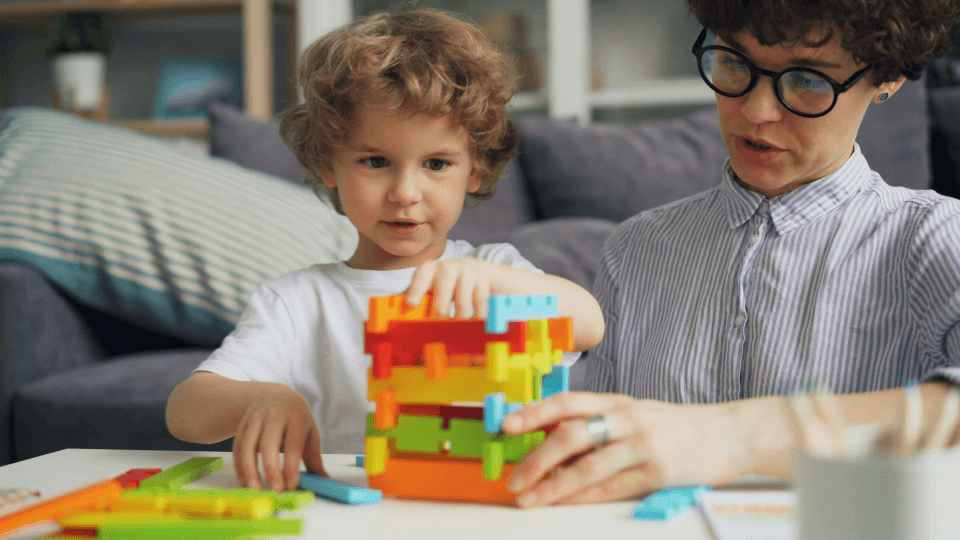
Free play is hard work for the brain. Kids plan, test ideas, and fix mistakes. This builds sustained attention and memory. No adult gives steps, so the child learns to guide their own mental focus.
Try to give your child a daily block of open time. Thirty to sixty minutes is a good start. Keep toys simple, like blocks, boxes, and paper. Simple tools invite long play, and long play grows attention spans.
Habit 3: Create a Distraction-Free Environment
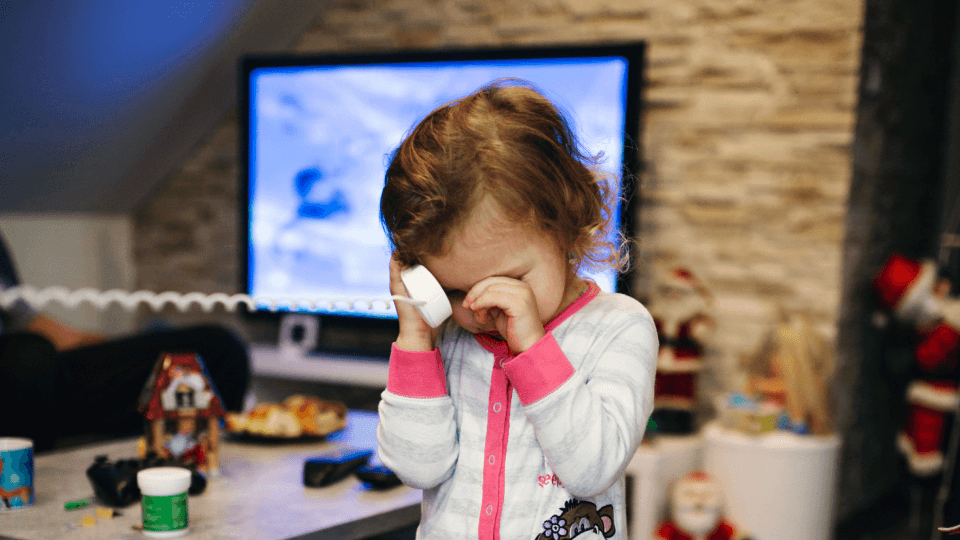
A calm space helps the human mind settle. Environmental distractions like loud TV, chatter, or clutter steal focus. A distraction-free environment makes it easy to start and easy to stay. Think of it as a small, quiet zone for study.
Choose one spot with good light and a clear desk. Keep supplies close. Turn off the TV when no one watches it. These simple steps cut television distractions and give kids the space to improve concentration.
Habit 4: Stop Multitasking to Boost Focus and Productivity
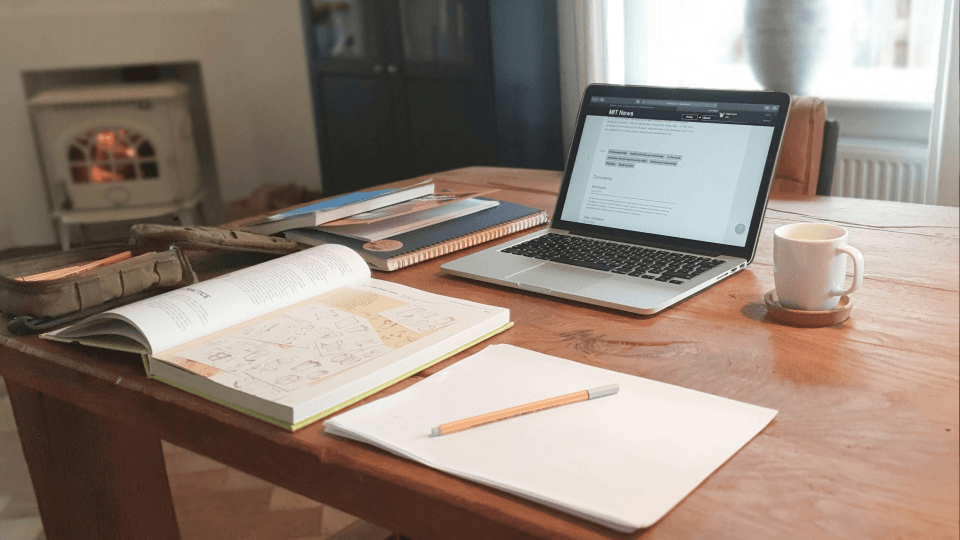
Homework with a screen on is not real study. It is task switching in disguise. Each switch costs energy and hurts cognitive performance. Kids end up with weak memory of the lesson and more mental fatigue.
Teach one thing at a time. Set a timer for ten to twenty minutes. Close extra internet tabs and mute device notifications. When the timer ends, give a short break. This builds focus and productivity step by step.
Habit 5: Read Together Every Day
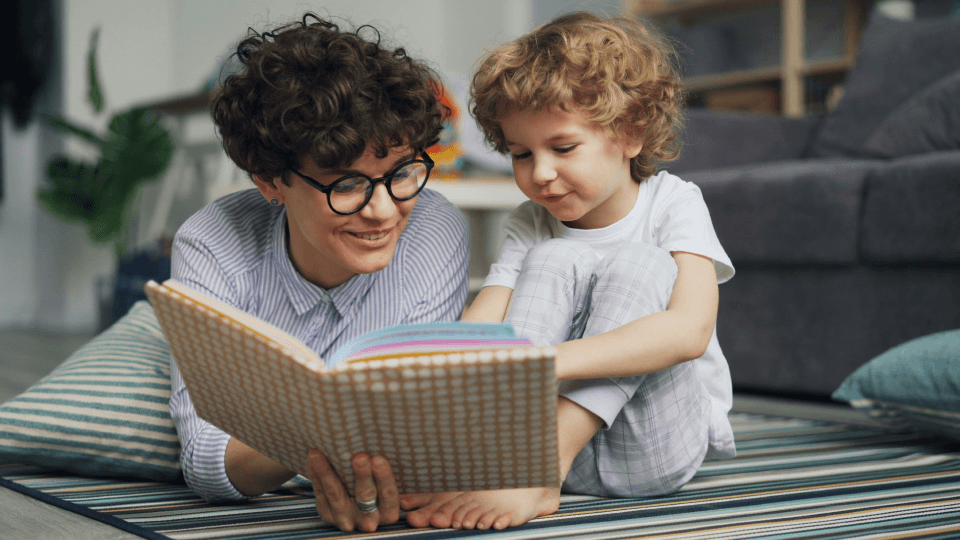
Reading builds attention like few other habits. A story asks a child to listen, picture, and follow the plot. This is real practice in sustained attention. It also grows memory, language, and calm feelings.
Read aloud for ten minutes each night. Let your child pick the book. Ask, “What happens next?” Try short chapters first, then move toward full novels as skills grow. This helps counter shorter attention spans over time.
Habit 6: Delay Screens and Manage Social Media Distractions
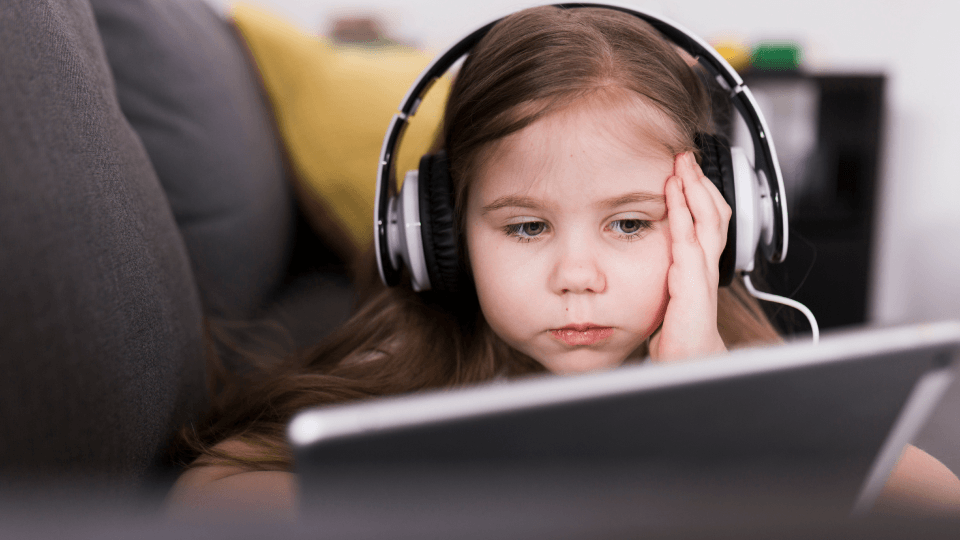
Screens are fun, but fast content trains the brain to expect quick rewards. Some research links heavy early screen use to attention span decline, but results vary. Some places, like Australia, have even passed social-media bans for young teens. This shows how serious the concern has become.
At home, keep things simple. Delay screens for little ones and follow pediatric guidance. For older kids, limit social media distractions and keep phones out of bedrooms. Real-world play gives the brain richer practice than any app.
Habit 7: Model Focus Yourself
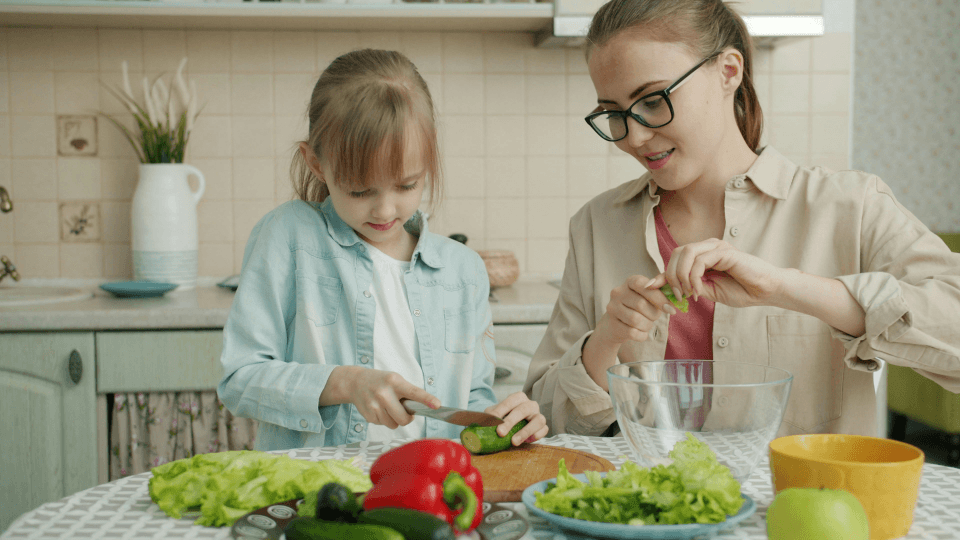
Kids copy what they see. If you scroll at dinner, they learn that attention is split. If you focus on a task and return after a break, they learn that too. Your habits are their first lesson in mental focus.
Say it out loud. “I got distracted, so I am going back to my work.” This shows that digital distractions are normal and can be handled. A few phone-free moments each day also build trust.
How to Improve Concentration Every Day: Quick Summary
Pick one habit and start small. The table below links each habit to what it trains. Add a new habit every two or three weeks.
| Habit | What it trains | Daily time |
|---|---|---|
| Let them get bored | Self-directed attention | 10–15 minutes |
| Unstructured play | Sustained attention | 30–60 minutes |
| Quiet space | Concentration | Whole study time |
| One task at a time | Less task switching | 10–20 minutes |
| Read together | Memory and focus | 10 minutes |
| Delay screens | Fewer digital distractions | All day |
| Model focus | Habits by example | All day |
FAQ: How to Focus and Improve Concentration
How can I help my child focus better at home?
Start with one habit, such as a quiet homework spot or a nightly story. Keep it steady for a few weeks. Small changes beat big overhauls.
Do screens really cause shorter attention spans?
The research is still growing. Some studies link heavy use to focus problems. A balanced approach is wise: limit screens and protect play, reading, and talking.
When should I see a doctor?
Talk to your pediatrician if focus problems are strong, last a long time, and show up at home and school. This article is not medical advice.
Conclusion: Start With One Habit This Week
Learning how to focus does not need a perfect home. It needs small, steady choices. Let kids get bored, protect play, quiet the room, read together, limit screens, and show focus yourself. These habits protect attention, memory, and concentration for life.
Want the free guide? Comment BOOTCAMP on our post, and we will send you “Raising a Bright Mind.”
Reggio Emilia vs Montessori: Which Approach Is Best for Your Child?
Reggio emilia vs montessori, Choosing the right preschool can feel overwhelming, especially when you’re comparing popular approaches like Reggio Emilia approach and Montessori. Both focus on the child, encourage curiosity, and create learning experiences that go beyond traditional worksheets and lectures. However, they differ in how children explore ideas, interact with teachers, use learning materials, and develop independence. Understanding these differences can make your decision much easier.
The Reggio Emilia philosophy gives children many ways to express ideas through art, conversation, movement, and exploration, while the Montessori approach places more emphasis on independence, practical skills, and carefully designed activities. In this guide, we’ll compare both approaches to help you choose the best fit for your child and family.
1: What Are Reggio Emilia vs Montessori?
The Reggio Emilia approach is an early childhood education philosophy that views children as capable, curious, and active participants in their own learning. It developed in Reggio Emilia, Italy, after World War II through the work of educator Loris Malaguzzi and the local community. The approach places strong value on relationships, creativity, communication, exploration, and inquiry-based learning. Instead of following one fixed path, teachers often build an emergent curriculum around the questions and interests of the children. The classroom itself is carefully designed to encourage discovery. This is why Reggio educators often describe the environment as a third teacher.
The Montessori approach was developed by Maria Montessori and is based on careful observation of how children naturally learn. The Montessori philosophy focuses strongly on independence, concentration, order, movement, and purposeful activity. Children work with carefully designed Montessori materials, often called didactic materials, that help them understand concepts through direct experience. A Montessori classroom usually gives children freedom within clear limits. They can make meaningful choices and work at their own pace. This creates a strong foundation for independent learning, self-directed learning, and confidence.
2: reggio emilia vs montessori: Origins and Philosophy
The Reggio Emilia philosophy grew from a community effort to create a better future for children. Loris Malaguzzi believed that children should not be treated as empty vessels waiting for adults to fill them with information. Instead, children were viewed as thinkers with ideas worth listening to. A major idea from this philosophy is the Hundred Languages of Children. This means children have many ways to communicate and understand ideas. Drawing, painting, building, movement, music, conversation, photography, storytelling, and dramatic play can all become ways of thinking and learning. Reggio Children continues to promote and document this educational tradition.
The Montessori philosophy began through the work of Maria Montessori, who observed children closely and designed environments that supported their natural development. Montessori believed children needed freedom, but that freedom worked best within an organized setting. This led to the idea of the prepared environment. The classroom contains materials and furniture designed around children’s abilities. Children learn through repeated practice and gradually develop self-discipline, concentration, and independence. Montessori education often moves from concrete to abstract. A child may first touch and manipulate physical objects before moving toward more abstract mathematical or language ideas.
| Area | Reggio Emilia | Montessori |
|---|---|---|
| Core idea | Children are capable researchers and communicators | Children are capable and independent learners |
| Learning style | Inquiry-based learning and project-based learning | Hands-on learning and self-paced practice |
| Curriculum | Emergent curriculum | More intentionally sequenced |
| Teacher | Co-researcher and facilitator | Montessori guide |
| Environment | Often called the third teacher | Prepared environment |
| Materials | Open-ended materials and natural objects | Specialized didactic materials |
| Creativity | Central to investigation | Integrated into the wider curriculum |
| Social learning | Strong emphasis on collaborative learning | Strong emphasis on independent work with social experiences |
| Progress | Often shown through documentation | Often tracked through observation and mastery |
| Family role | Strong family partnership and community connection | Family involvement varies by school |
3: What Are the Key Similarities Between Reggio Emilia vs Montessori?
One of the biggest similarities in reggio emilia vs montessori is their respect for children. Neither philosophy sees young children as passive learners. Both support child-centered learning, where adults pay attention to what children can do, what they need, and how they respond to their surroundings. Both also value child-led learning, although the meaning of child-led learning is slightly different in each approach. Children are given choices and opportunities to explore, rather than spending the entire day listening to an adult.
Both approaches also value hands-on learning. Children learn by doing, touching, moving, building, observing, repeating, discussing, and experimenting. They can develop curiosity, problem-solving skills, communication, and confidence through real experiences. Both philosophies can also support social-emotional learning. Children learn to communicate with others, manage emotions, respect boundaries, develop empathy, and become more aware of their own abilities. In both approaches, the quality of the teacher and the learning environment matters enormously.
| Shared Principle | How It Appears in Practice |
|---|---|
| Child-centered learning | Adults respond to children’s needs and development |
| Child-led learning | Children have meaningful choices |
| Hands-on learning | Children learn through real experiences |
| Observation | Teachers watch and record children’s progress |
| Independence | Children are encouraged to do appropriate tasks themselves |
| Curiosity | Questions and exploration are welcomed |
| Peer learning | Children learn from and with other children |
| Social-emotional learning | Relationships, communication, and emotional growth are supported |
| Family involvement | Parents can become part of the child’s learning journey |
4: What Are the Main Differences Between Reggio Emilia vs Montessori?
The biggest difference between reggio emilia vs montessori is the way each philosophy organizes learning. Montessori generally provides a more structured sequence of activities and materials. Children often select work from the classroom and repeat it until they develop self-paced mastery. Reggio Emilia is more flexible. Teachers observe the children’s questions and interests and use them to develop projects. This is known as an emergent curriculum. A child’s question can become the starting point for a long investigation.
Another important difference is the balance between individual and group learning. Montessori often gives children substantial time for independent work. Reggio Emilia places more emphasis on collaborative learning, shared investigation, and collaborative projects. This does not mean Montessori children never work together or Reggio children never work alone. The difference is mainly one of emphasis. Montessori often asks, “What skill is this child ready to master?” Reggio may ask, “What are these children wondering about, and how can we investigate it together?”
| Difference | Reggio Emilia | Montessori |
|---|---|---|
| Curriculum | Emerges from children’s interests | More structured sequence |
| Main learning mode | Investigation and projects | Individual hands-on work |
| Social learning | Frequent group inquiry | Individual work with peer experiences |
| Materials | Flexible and open-ended | Purposefully designed |
| Teacher relationship | Co-researcher | Montessori guide |
| Creativity | A central method of communication | One part of purposeful learning |
| Documentation | Highly visible | More commonly used for teacher observation |
| Pace | Can change as projects develop | Often follows individual readiness and mastery |
reggio emilia vs montessori: Curriculum Structure
A Montessori curriculum usually has clear areas such as practical life, sensorial learning, language, mathematics, and cultural studies. Children are introduced to activities when they are developmentally ready. The materials often build on one another. Reggio classrooms can cover the same developmental areas, but the path may look less predictable. For example, an interest in birds may lead to drawing birds, studying feathers, counting birds, creating bird sculptures, reading books, mapping habitats, and discussing how birds communicate.
reggio emilia vs montessori: Creativity and Expression
Creativity has a particularly visible role in Reggio Emilia. The Hundred Languages idea encourages children to represent their thinking in many forms. Creative expression, storytelling, mapping, photography, construction, movement, and art can all become part of a learning project. Montessori also values creativity, but it usually combines creative experiences with purposeful activities and a carefully organized curriculum. Montessori should not be described as “less creative.” Its approach simply gives creativity a different place within the learning process.
5: reggio emilia vs montessori: Learning Environment and Classroom Setup
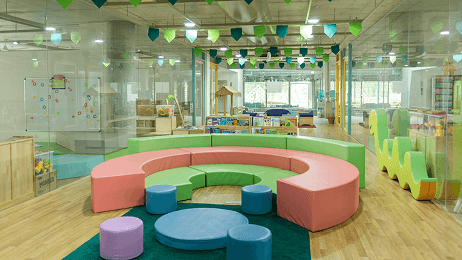
The classroom is a major part of the Reggio Emilia approach. A Reggio Emilia classroom may include natural light, plants, art materials, mirrors, documentation, books, clay, blocks, fabric, wire, recycled objects, and other open-ended materials. These materials do not have only one correct use. A piece of wood could become a bridge, a house, a measuring tool, or part of a sculpture. The environment is designed to encourage open-ended exploration and make children’s thinking visible. This explains the idea of the environment as a third teacher.
A Montessori classroom is usually more orderly and carefully arranged. Shelves are accessible to children, furniture is often child-sized furniture, and materials have clear places. A child may see practical activities, mathematics materials, language materials, sensorial activities, and cultural materials arranged in an organized way. The prepared environment reduces unnecessary dependence on adults. Children can often choose a material, carry it to a work area, complete the activity, return it, and select another activity. This daily structure can support independent learning, concentration, and self-discipline.
| Classroom Feature | Reggio Emilia Classroom | Montessori Classroom |
|---|---|---|
| Furniture | Flexible and child-friendly | Child-sized furniture |
| Materials | Open-ended materials | Specialized didactic materials |
| Art | Often highly visible | Included as part of the curriculum |
| Documentation | Frequently displayed | Usually used more for observation |
| Organization | Flexible and project-based | Highly ordered |
| Nature | Often strongly integrated | Commonly included where appropriate |
| Group work | Frequently encouraged | Balanced with individual work |
| Independent work | Supported | Strong emphasis |
| Environment | Third teacher | Prepared environment |
6: How Do Children Learn in Reggio Emilia and Montessori?
Children in Reggio Emilia often learn through questions and investigations. A teacher may notice that several children are fascinated by shadows. Instead of immediately giving them a worksheet about light, the teacher may provide a flashlight, objects, paper, mirrors, and other materials. Children can make predictions, test ideas, draw what they see, and discuss their discoveries. This creates inquiry-based learning and project-based learning. The project can grow according to the children’s ideas.
Montessori learning often follows a different path. A teacher introduces a specific activity, and the child practices it independently. For example, a child may work with the pink tower to explore differences in dimension. Later, the child may work with bead chains to explore number relationships or sandpaper letters to connect visual symbols with sounds. Many Montessori materials include self-correction or a control of error, allowing children to notice mistakes without waiting for an adult to correct every step. This supports independent mastery and concentration.
A Simple Example: Learning About Plants
Imagine both classrooms decide to explore plants. In a Reggio classroom, children may notice a plant growing toward a window. That observation could lead to questions about sunlight. They may draw the plant, photograph it, measure its growth, create a model, discuss roots, and investigate what happens when a plant receives different amounts of light. The project grows from the child’s interests and questions.
In a Montessori classroom, children may explore plant-related activities through carefully presented materials. They may learn plant vocabulary, parts of a plant, classification, care of living things, and practical activities such as watering. The learning is still active and concrete, but it usually follows a clearer sequence. Both approaches can create meaningful learning. They simply organize the learning journey differently.
7: The Role of the Teacher in reggio emilia vs montessori
The role of the teacher is important in both approaches, but it is not the same as the traditional image of a teacher standing in front of a class and delivering information. In Montessori education, the adult is commonly called a Montessori guide. The guide observes carefully, prepares the classroom, introduces materials, and knows when to step back. The goal is not to control every action. It is to create conditions where children can develop independence and concentration.
In Reggio Emilia, the teacher is often described as a co-researcher. The adult learns with the children rather than simply delivering answers. Teachers observe conversations, questions, drawings, constructions, and interactions. They use those observations to decide what materials or experiences might help children investigate an idea further. Co-constructed learning becomes possible because children and adults contribute to the learning process. This requires teachers to be attentive, flexible, reflective, and comfortable with questions that do not have immediate answers.
“The child is capable, curious, full of potential, and deserves to be listened to.”
The quote captures an important principle shared by both philosophies: children deserve respect. However, respectful teaching does not mean removing boundaries. Young children still need routines, safety rules, emotional support, clear expectations, and adults who can guide them when necessary.
8: Materials, Creativity, Social-Emotional Learning and Assessment
The materials used in each approach reveal a lot about its philosophy. Montessori classrooms use specialized didactic materials designed to isolate and clarify concepts. The pink tower, bead chains, and sandpaper letters are familiar examples. Many activities encourage repetition and self-correction. Practical activities can include pouring, transferring, cleaning, dressing, sorting, and other practical life skills. Montessori also includes grace and courtesy, social development, and concepts related to peace education.
Reggio classrooms tend to use more open-ended materials. Clay, paint, wire, wood, stones, cardboard, fabric, natural objects, and recycled materials can become tools for investigation. Teachers may introduce provocations, which are carefully prepared invitations to explore an idea. Creativity is not simply an art period. It can become a method of thinking. Children may use drawing, building, movement, dramatic play, storytelling, or photography to communicate what they understand.
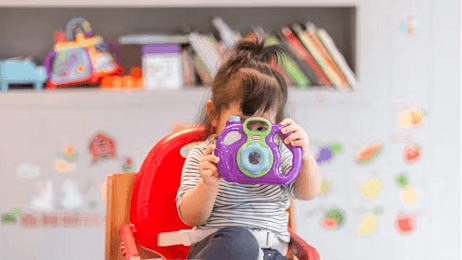
Creativity and Social-Emotional Learning
Both approaches can support social-emotional development, but they often emphasize different experiences. Montessori can build confidence through independence. A child who learns to pour water, prepare a snack, organize materials, or complete a task without unnecessary adult help experiences a real sense of capability. This can strengthen self-discipline, confidence, and responsibility.
Reggio Emilia places strong emphasis on relationships and community. Children often investigate ideas together. They listen to one another, negotiate meaning, solve problems, and learn through peer learning. These experiences can support communication, empathy, resilience, and social-emotional learning. Family relationships are also important. Family partnership and community involvement can extend learning beyond the classroom.
How Assessment Works
Assessment in early childhood should not simply mean giving young children tests. Both approaches can rely heavily on observation. Teachers watch how children communicate, solve problems, interact, concentrate, use materials, and respond to challenges. This information can guide future teaching.
Reggio Emilia is especially known for pedagogical documentation, documentation panels, narrative assessment, and learning portfolios. Teachers may collect children’s drawings, photographs, conversations, project notes, and reflections to show how an idea developed over time. Montessori teachers also observe children’s work closely and use progress tracking to understand readiness, skill development, and material mastery. This is a form of formative assessment because the information helps teachers decide what support or challenge a child may need next.
9: Which Is Better for Your Child: Reggio Emilia or Montessori?
There is no universal winner in reggio emilia vs montessori. A child does not automatically succeed because a school uses one philosophy. The quality of implementation matters. So does the teacher. So does the classroom. Most importantly, the school should match the child’s needs, personality, developmental stage, and family expectations.
A child who enjoys order, repetition, practical tasks, and working independently may enjoy a Montessori setting. A child who loves asking questions, creating stories, building things with friends, and exploring open-ended ideas may enjoy a Reggio-inspired setting. However, child temperament should never be used as a strict label. Children change as they grow. A quiet child can become a confident collaborator. An active child can develop strong concentration when given meaningful work.
| If Your Family Values… | A Possible Fit |
|---|---|
| Independence | Montessori |
| Self-paced mastery | Montessori |
| Practical life skills | Montessori |
| Strong classroom structure | Montessori |
| Open-ended exploration | Reggio Emilia |
| Collaborative inquiry | Reggio Emilia |
| Creative expression | Reggio Emilia |
| Long-term projects | Reggio Emilia |
| Strong community connections | Reggio Emilia |
| A combination of both | A high-quality blended program |
Case Study: Two Children, Two Different Experiences
Consider a four-year-old named Emma who loves organizing objects. She enjoys repeating activities and becomes deeply focused when working alone. In a well-run Montessori classroom, Emma may benefit from choosing purposeful activities, repeating them, and gradually developing mastery. The structured daily routine and uninterrupted work period may help her build concentration without unnecessary interruption.
Now consider Noah, another four-year-old who constantly asks “why?” He enjoys drawing, talking with classmates, building structures, and changing his ideas after seeing what others discover. A Reggio-inspired classroom may give Noah more opportunities for collaborative inquiry, creative projects, and discussion. He may thrive when his questions become part of a larger investigation.
Neither child is “better suited” to one philosophy forever. The examples simply show why parents should think about the individual child rather than choosing a preschool based only on a famous educational label.
10: How to Choose the Right Preschool: What Parents Should Look For
When choosing a preschool, start with the actual school rather than its educational label. Two schools can both call themselves Montessori and offer very different experiences. The same is true for Reggio-inspired programs. Visit the classroom if possible. Watch how teachers speak to children. Notice whether children look comfortable, engaged, respected, and appropriately challenged. A beautiful classroom means little if the adult-child relationships are poor.
Parents should also ask how the school turns its philosophy into daily practice. Ask about teacher training, classroom ratios, the daily rhythm, outdoor time, screen use, learning materials, communication with families, and how teachers monitor development. Ask whether children have an uninterrupted work cycle or uninterrupted work period for meaningful learning. Ask how the school handles conflict, mistakes, transitions, and emotional needs. These details often tell you more than the school’s marketing language.
What Should Parents Observe During a Preschool Visit?
| What to Look At | What to Ask Yourself |
|---|---|
| Teacher-child interaction | Do adults speak respectfully to children? |
| Classroom environment | Is it calm, safe, and engaging? |
| Materials | Can children access suitable materials independently? |
| Daily rhythm | Is there enough time for meaningful exploration? |
| Social interaction | Do children have opportunities for peer learning? |
| Emotional support | How do teachers respond to frustration or conflict? |
| Independence | Are children encouraged to do appropriate tasks themselves? |
| Creativity | Are children allowed to express ideas in different ways? |
| Family communication | Does the school value family partnership? |
| Progress tracking | How does the school communicate child development? |
Look Beyond the Philosophy
The strongest preschool decision comes from looking at the whole picture. A school can have an impressive philosophy but weak implementation. Another school may use a less famous label but have excellent teachers, thoughtful routines, safe classrooms, strong relationships, and responsive teaching. For parents, those daily experiences matter more than the name on the brochure.
A high-quality preschool should also respect child development. Young children need movement, play, rest, social interaction, language, hands-on experiences, and emotional security. They should have opportunities to make choices without being expected to manage everything alone. They should also have adults who know when to guide, when to observe, and when to step in.
11: reggio emilia vs montessori for Different Ages
The differences between Reggio Emilia and Montessori can look different depending on a child’s age. Toddlers need close adult support, movement, language development, sensory experiences, and opportunities to practice independence. A Montessori environment may offer carefully prepared practical activities, while a Reggio-inspired environment may provide rich sensory exploration and open-ended experiences. At this age, the quality of relationships and the safety of the environment are especially important.
For preschoolers, both approaches can support growing independence, communication, early mathematics, literacy, problem-solving, creativity, and social skills. Montessori may provide more visible progression through specific materials and activities. Reggio Emilia may develop longer investigations based on children’s questions. For kindergarten-age children, parents should also consider how the school prepares children for the next educational setting. The transition matters as much as the philosophy.
12: reggio emilia vs montessori: Pros and Cons
Montessori can be particularly valuable when children benefit from independence, predictable routines, purposeful activity, and opportunities for repeated practice. Its carefully designed materials can make abstract ideas easier to understand through direct experience. The approach can also encourage concentration and practical independence. However, not every Montessori classroom is implemented in the same way. Parents should always visit and understand what the particular school actually does.
Reggio Emilia can be powerful for children who enjoy questions, creativity, communication, group investigation, and open-ended projects. Its emphasis on relationships and documentation can give parents a detailed view of the child’s learning journey. However, Reggio-inspired schools can also vary widely because there is no single universal classroom formula that every school follows. Parents should ask what the school means when it uses the term “Reggio-inspired.”
| Area | Reggio Emilia | Montessori |
|---|---|---|
| Independence | Strong | Very strong |
| Creativity | Very strong | Strong, with a different structure |
| Inquiry | Very strong | Present through exploration and materials |
| Collaboration | Very strong | Present but balanced with individual work |
| Routine | Flexible | Usually more structured |
| Materials | Open-ended | Specialized |
| Projects | Central | Less central |
| Practical skills | Included | Strong emphasis |
| Observation | Very important | Very important |
| Documentation | Highly visible | Often more teacher-focused |
13: Frequently Asked Questions About reggio emilia vs montessori
Is Reggio Emilia better than Montessori?
No. Neither approach is automatically better for every child. reggio emilia vs montessori should be viewed as a question of fit. Parents should consider the child’s personality, the family’s values, the school’s teachers, the classroom environment, and the quality of implementation. A strong school can support children well under either philosophy.
What is the main difference between Reggio Emilia and Montessori?
The main difference is how learning is organized. Montessori generally uses a carefully prepared environment with specialized materials and a more structured progression toward independent mastery. Reggio Emilia emphasizes relationships, emergent curriculum, collaborative inquiry, projects, and multiple forms of expression.
Is Montessori or Reggio Emilia better for creativity?
Both can support creativity. Reggio Emilia makes creative expression especially central through the Hundred Languages of Children. Montessori also provides opportunities for art, music, movement, construction, and imagination, but these experiences usually exist within a more structured learning environment.
Can Montessori and Reggio Emilia be combined?
Yes. Some preschools use a blended approach. A school may use Montessori-inspired practical activities while also offering Reggio-style projects and open-ended materials. The important question is whether the combination is intentional and developmentally appropriate. Parents should ask exactly how each philosophy influences the classroom.
Which approach is better for a shy child?
There is no simple answer. A shy child may benefit from Montessori’s opportunity for quiet independent work. The same child may also benefit from a Reggio classroom that gently supports relationships and group participation. The teacher’s sensitivity may matter more than the educational label.
Is Reggio Emilia play-based?
Reggio Emilia includes play, exploration, creative expression, relationships, and project work. Learning may happen while children construct, draw, investigate, talk, pretend, experiment, and solve problems. The focus is not simply on keeping children busy. Experiences are used to develop ideas and deepen understanding.
Is Montessori play-based?
Montessori often uses the term “work” rather than treating all activities as traditional free play. Children may choose purposeful activities and repeat them for long periods. For a young child, that work can still be joyful, engaging, physical, creative, and deeply satisfying. The key difference is that Montessori activities are often designed with specific developmental purposes.
Is Reggio Emilia or Montessori better for kindergarten readiness?
Kindergarten readiness is broader than knowing letters and numbers. Children also need communication skills, confidence, emotional regulation, independence, social skills, attention, and problem-solving abilities. Both philosophies can support these areas. Parents should ask the specific preschool how it prepares children for the next stage of education.
14: Final Verdict: reggio emilia vs montessori
So, Reggio Emilia vs montessori : which approach is best for your child? The honest answer is that there is no single choice that works for every family. Montessori may be a strong fit for families who value independence, purposeful work, concentration, practical skills, and a carefully ordered classroom. Reggio Emilia may appeal to families who value inquiry, creativity, relationships, collaboration, and project-based exploration.
The most important decision is not the label. It is the quality of the people and environment your child will experience every day. Look for warm and respectful teachers. Look for meaningful child-led learning. Look for a safe and engaging classroom environment. Look for thoughtful observation, strong communication, and opportunities for both independence and connection. Most of all, choose a preschool where your child feels safe enough to ask questions, confident enough to try, and supported enough to make mistakes. That is where meaningful child development and a lifelong love of learning can begin.
10 Best Low Stimulation Shows for Toddlers & Preschoolers
What are low stimulation shows for toddlers?
1. Frog and Toad
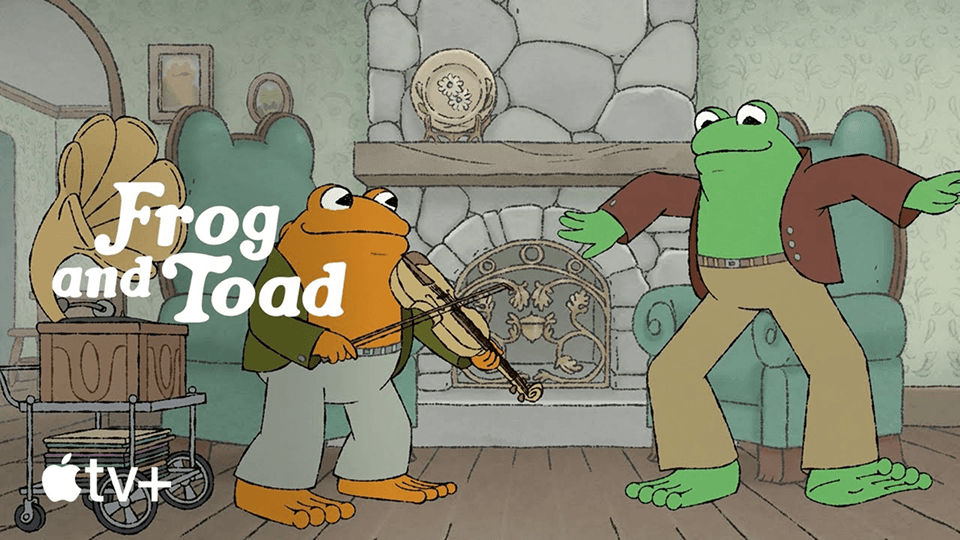 Best for: Friendship, everyday problems and gentle storytelling
Based on Arnold Lobel’s beloved characters, Frog and Toad follows two very different friends as they navigate ordinary situations together.
What makes it appealing for families looking for calmer children’s television is its emphasis on conversation, friendship and relatively simple story situations rather than nonstop action. Apple describes the central relationship as one where Frog and Toad learn to appreciate both their similarities and differences.
Why parents may like it: It gives children something to talk about. You can pause after an episode and ask, “Why do you think Toad did that?” or “What would you do if your friend felt that way?”
Good age range: Preschoolers, particularly children who enjoy stories and character relationships.
2. Stillwater
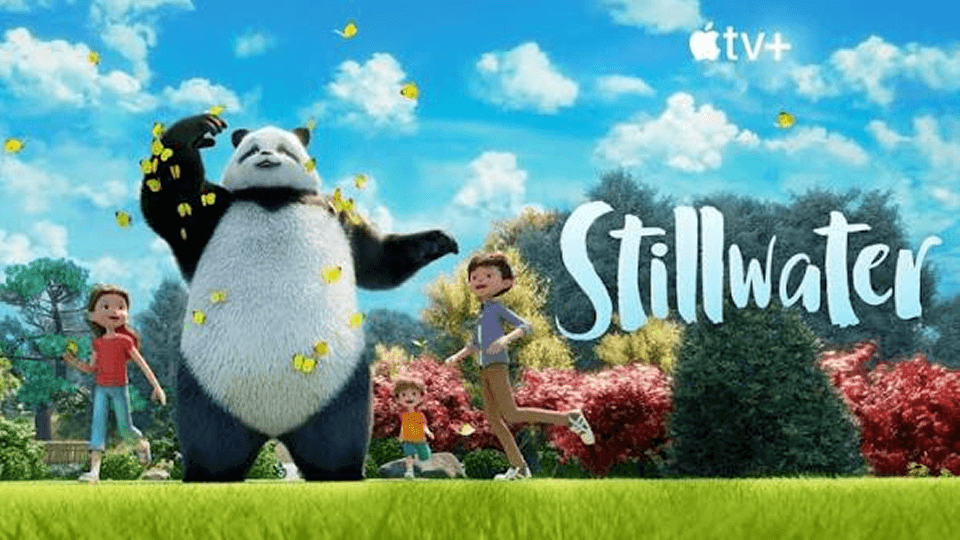 Best for: Emotional awareness, friendship and mindfulness
Stillwater follows three siblings and their wise panda neighbor, who helps them look at everyday challenges from a different perspective.
The series is particularly interesting for parents who want children’s content that leaves room for conversations about feelings, patience and relationships. Apple describes Stillwater as a character who gives the children new perspectives on themselves, each other and the world.
The show has also continued beyond its original seasons, with a fifth season released in August 2026.
Try this after watching: Ask your child, “What was the problem, and how did the character solve it?”
That simple question turns passive viewing into a conversation.
3. Tumble Leaf
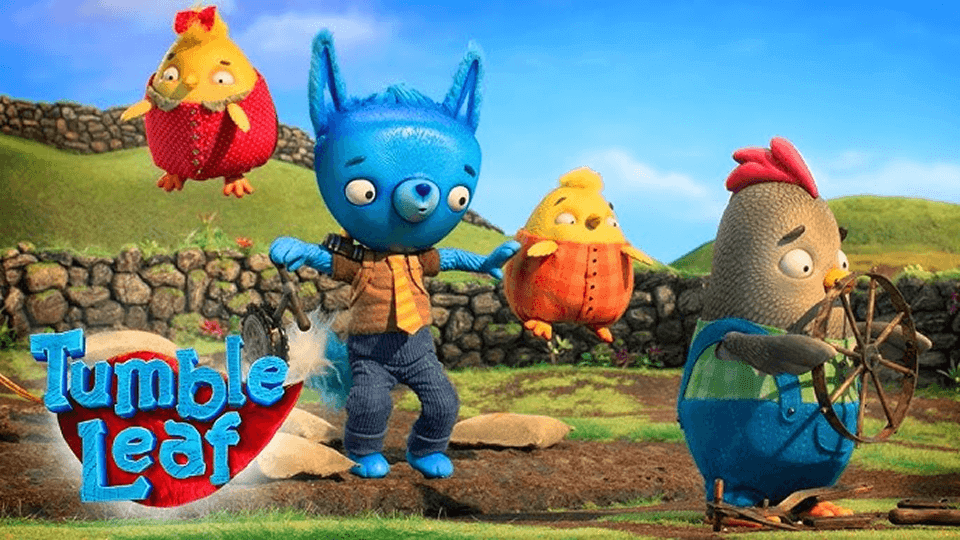 Best for: Curiosity, nature, science and imaginative play
Tumble Leaf is one of the strongest choices on this list for children who love discovering how things work.
The show’s official site describes it as a preschool series centered on play, with stories involving nature, science, humor and exploration. It is also known for its calm atmosphere and whimsical visual world.
This makes it particularly useful for parents who want to connect screen content with hands-on activities.
For example, after watching an episode involving floating objects, give your child a bowl of water and a few safe household objects. Ask:
“Which ones do you think will float?”
Now the screen becomes a starting point for real-world exploration.
4. Trash Truck
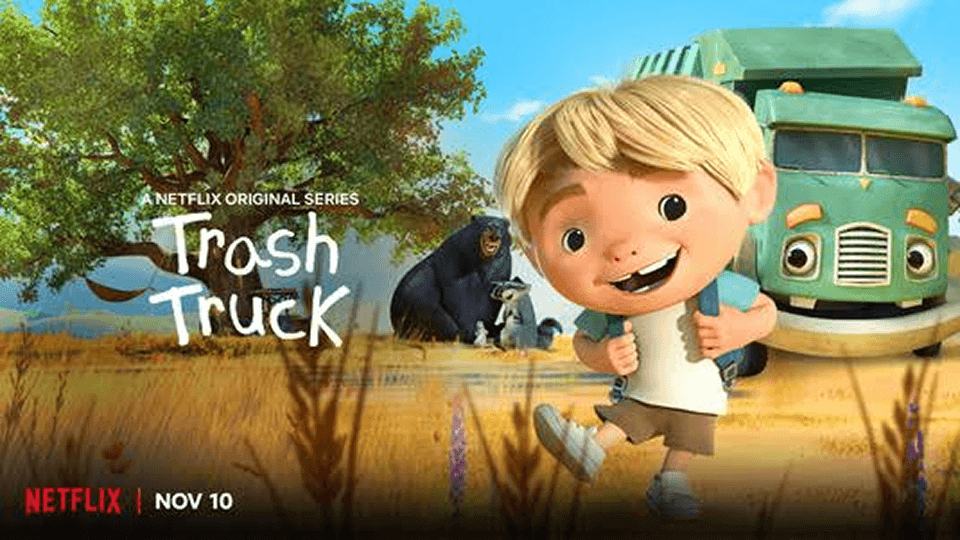 Best for: Imagination, friendship and everyday adventures
The premise sounds unusual: a six-year-old boy named Hank has a giant trash truck as his best friend.
But that simple idea creates surprisingly gentle adventures involving animals, friendship, imagination and everyday experiences.
Netflix describes the show as following Hank and his trash-truck friend as they explore their world with animal friends.
It can be a particularly good choice for children who are fascinated by vehicles, machines and how things work.
And if your child starts asking questions about garbage trucks after watching it, don’t rush to stop the conversation. That’s often the useful part.
“Where does our rubbish go?”
“Why does the truck need such a big container?”
A simple cartoon can lead to a surprisingly good learning conversation.
5. Little Bear
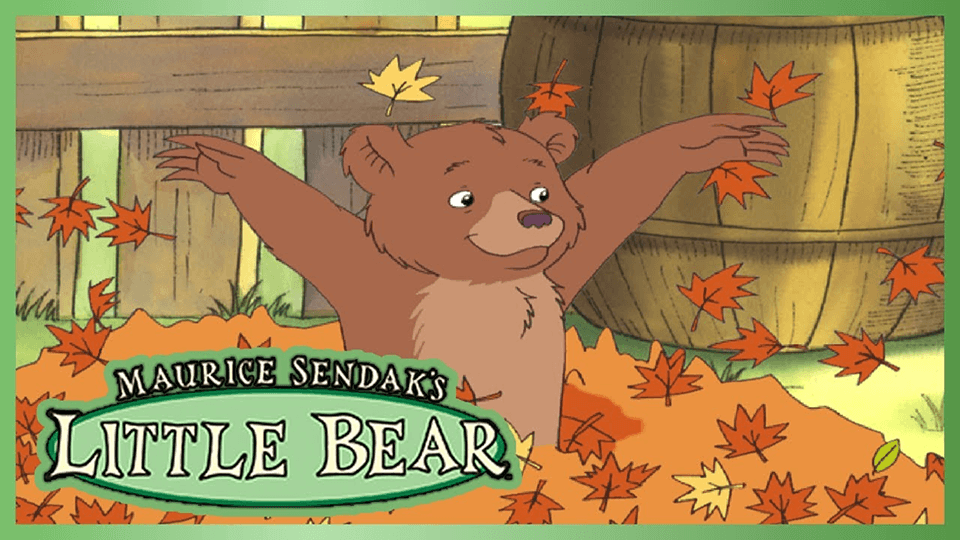 Best for: Quiet imaginative play
Little Bear is an older favorite that many parents remember from their own childhood.
Its stories tend to focus on Little Bear, his family and friends, imaginative games, nature and ordinary childhood experiences.
That slower storytelling style can feel very different from modern children’s videos that change scenes rapidly or rely heavily on visual surprises.
For younger preschoolers, the biggest value may be what happens after the episode.
A child may start pretending to camp, play with toy animals, make a pretend picnic or invent a story with a teddy bear.
That transition from watching to pretending is worth encouraging.
6. Puffin Rock
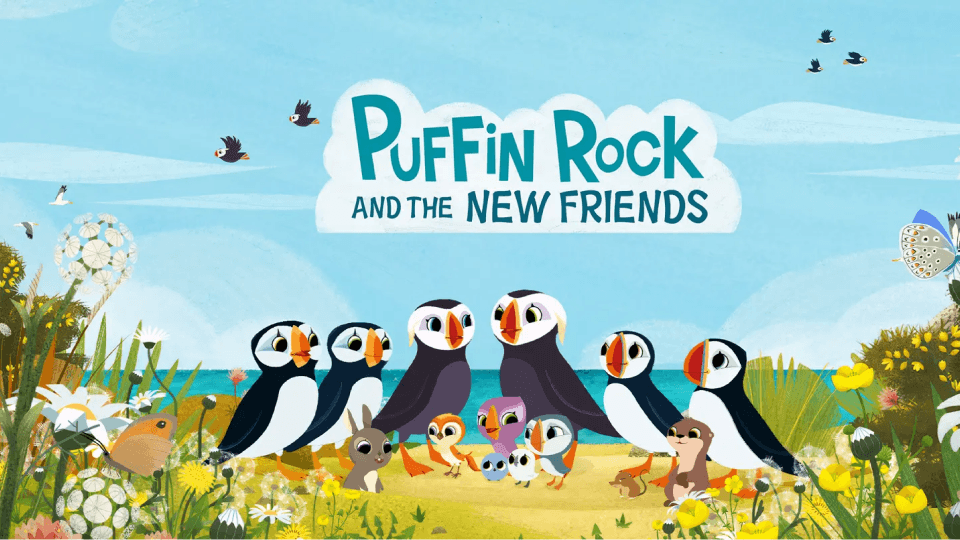 Best for: Nature and early science conversations
Puffin Rock is specifically made for preschool children aged approximately 2–5 and is set around an island environment where nature and wildlife are central to the stories.
The characters explore their surroundings while dealing with familiar childhood themes such as friendship, family and belonging.
For parents in Pakistan, this can also be a nice way to introduce children to animals and natural environments they may not encounter every day.
After an episode, try looking up a real puffin, seal, owl or rabbit together.
Better still, take the conversation outside.
“Can you find a bird?”
“What sounds can you hear?”
The goal isn’t to turn every cartoon into a lesson. It is simply to help children connect what they see on a screen with the world around them.
7. Sarah & Duck
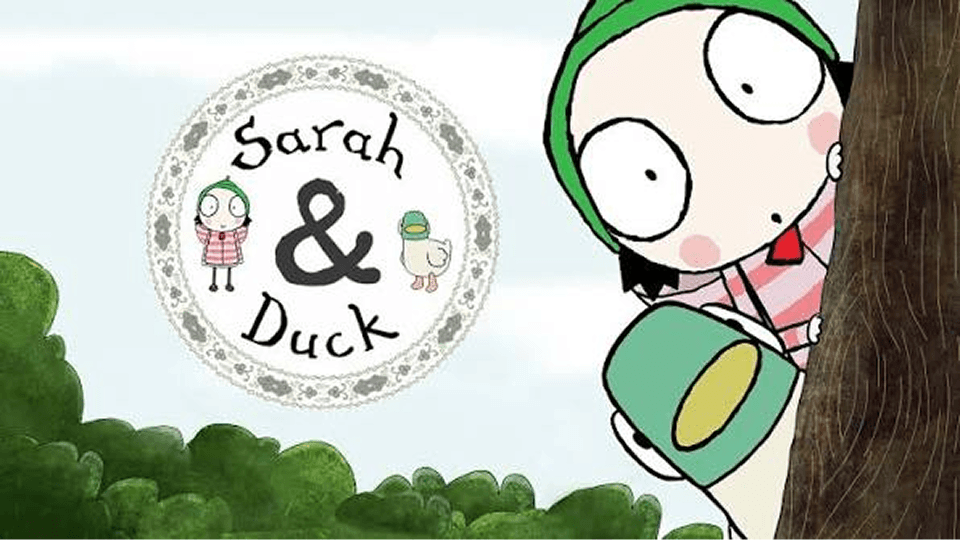 Best for: Imagination, everyday problem-solving and humor
Sarah & Duck follows Sarah and her unusual best friend Duck through simple adventures in their neighborhood.
The official CBeebies description highlights their small-world adventures, from trying to reach a rainbow to pretending to be penguins and helping an umbrella stay dry.
The show also provides opportunities for children to continue the story through play. The official website includes activities such as coloring, crafts, puppets and pretend play.
That makes it a nice example of content that doesn’t have to end when the screen goes off.
Try this: After an episode, give your child paper, crayons and a simple prompt:
“Draw Sarah and Duck going somewhere new.”
There is no need to correct the drawing. Let the child invent the story.
8. Oswald
 Best for: Gentle stories and social situations
Oswald follows a friendly blue octopus through everyday adventures with his friends.
Its straightforward storytelling and familiar social situations make it an option for preschoolers who enjoy character-based cartoons without needing constant action.
Episodes can also give parents natural opportunities to talk about friendship, patience, sharing and solving small problems.
For a child who is still developing language, you can keep your questions very simple:
“Who is Oswald’s friend?”
“What happened?”
“Was he happy or sad?”
Young children don’t need a long discussion. Even a few back-and-forth exchanges can make viewing more interactive.
Harvard’s Center on the Developing Child describes these responsive back-and-forth interactions between children and adults as “serve and return,” emphasizing their importance for early language and social development.
9. The Stinky & Dirty Show
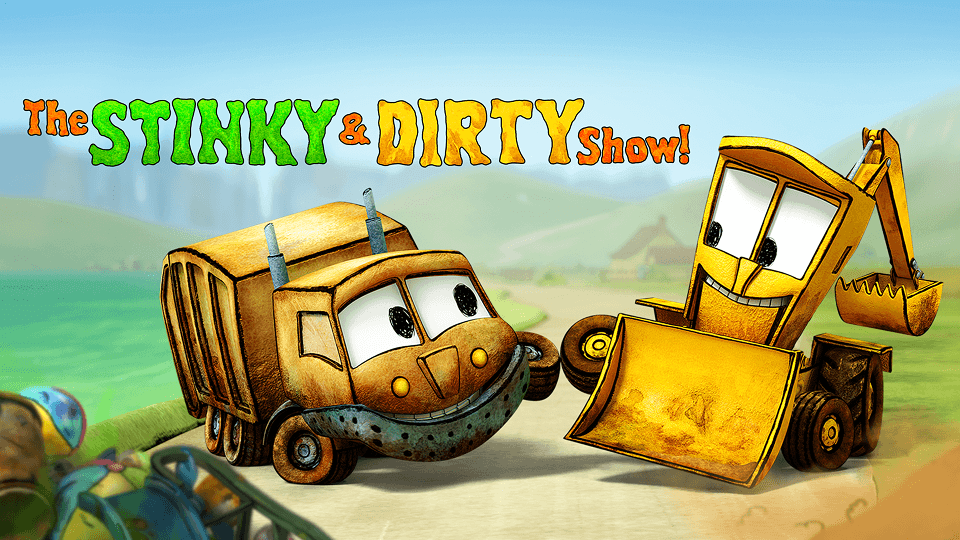 Best for: Problem-solving, vehicles and creative thinking
If your preschooler is obsessed with trucks, garbage vehicles, construction equipment or anything with wheels, this one can be a useful alternative to more frantic vehicle-based content.
The stories follow Stinky, a garbage truck, and Dirty, a backhoe loader, as they encounter problems and figure out ways to deal with them.
The appeal isn’t simply that the characters are vehicles. It’s that problems become part of the story.
A parent can extend that naturally:
“How could we build a bridge for your toy car?”
Then get out some blocks.
Five minutes of building may be more valuable than watching another episode.
10. Super Simple
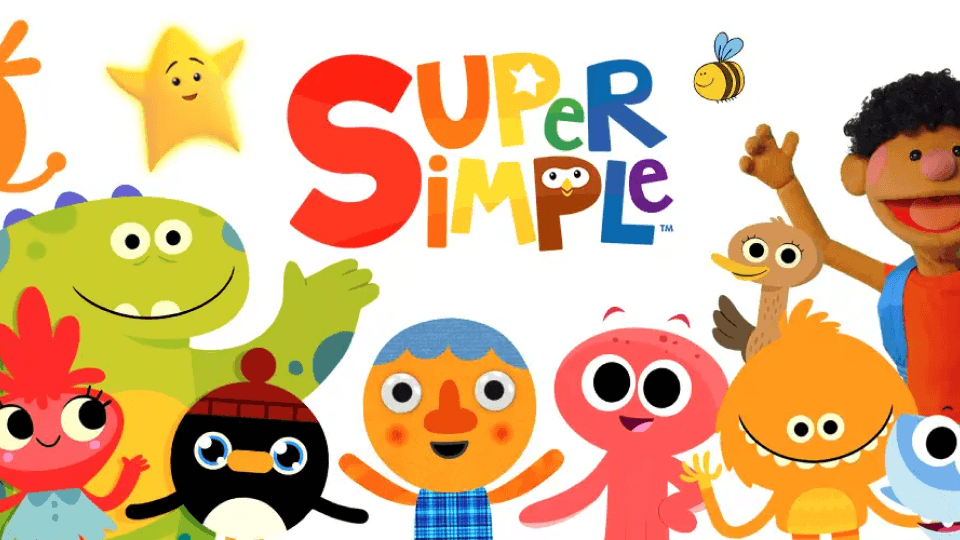 Best for: Songs, routines and simple movement activities
Super Simple is slightly different from the story-based shows above. It includes songs and preschool content designed around simple concepts, movement, routines and early learning.
For families, this can be useful when a child wants music rather than a long cartoon.
Choose slower songs when you are looking for a calmer experience, and don’t feel that you have to play video after video.
One song can be enough.
You might watch a song about actions and then put the screen away:
“Now let’s do those actions ourselves.”
That small change matters. The child is moving, listening and interacting rather than simply continuing to consume videos.
10. Super Simple
What makes a children's show “low stimulation”?
Are Low Stimulation Shows for Toddlers?
How much screen time should toddlers and preschoolers have?
How can parents make screen time more useful?
What should parents avoid when choosing children's shows?
A simple screen-time routine for families in Multan
A simple screen-time routine for families in Multan
The goal isn't zero screen time
FAQs
25 Fun 3 Year Old Activities for Playful Learning
Fun 3 Year Old Activities That Make Learning Feel Like Play
Why are activities important for a 3-year-old?
25 Fun 3 Year Old Activities to Try at Home or Preschool
What skills do fun activities develop at age 3?
Are these activities suitable for every 3-year-old?
How long should a 3-year-old activity last?
How can parents make activities more educational without making them feel like school?
What should parents look for in activities for 3-year-olds?
A simple weekly activity plan for a 3-year-old
The best activity may be the one your child invents
Final Takeaway
FAQs
DIY Crafts for Kids: 10 Creative Ideas That Make Learning Fun
DIY Crafts for Kids: Simple Ideas That Turn Making Into Learning
What Are DIY Crafts for Kids?
Why Are DIY Crafts Good for Children?
DIY Crafts for Kids Should Not Always Look Perfect
10 DIY Crafts for Kids Using Simple Materials
How Can Parents Make DIY Activities More Educational?
What Materials Can You Use for DIY Crafts at Home?
How Do You Choose DIY Activities for Different Ages?
DIY Crafts vs. Step-by-Step Crafts: Which Is Better?
How Can DIY Crafts Support STEAM Learning?
Why DIY Activities Matter in a Preschool Environment
How Can Parents Encourage Creativity Without Taking Over?
DIY Crafts for Kids in Pakistan: Keep It Simple
A Simple DIY Craft Routine for Parents
The Best DIY Craft May Be the One You Cannot Predict
Conclusion
FAQs
Easy Art Activities for Preschoolers: 15 Creative Ideas
Easy Art Activities for Preschoolers: Simple Ideas for Creative Learning
What Are Easy Art Activities for Preschoolers?
Easy art activities for preschoolers are simple, age-appropriate creative experiences that allow children to draw, paint, print, cut, tear, stick, mould or experiment with different materials without requiring complicated instructions.
For ages 3–5, the activity should be manageable enough for a young child to participate independently while still leaving room for imagination.
A useful rule is:
Give children materials and an invitation to create, rather than giving them a picture they must reproduce.
This is closely connected to process art, where the focus is on exploration and the child’s choices rather than producing an identical finished craft. NAEYC describes process-focused art as open-ended, child-directed and centred on experimenting with materials, tools and techniques.
That doesn’t mean structured crafts have no value. Cutting, gluing, following a few instructions and completing a simple project can also be useful. The key is to give children opportunities for both guided and open-ended creativity.
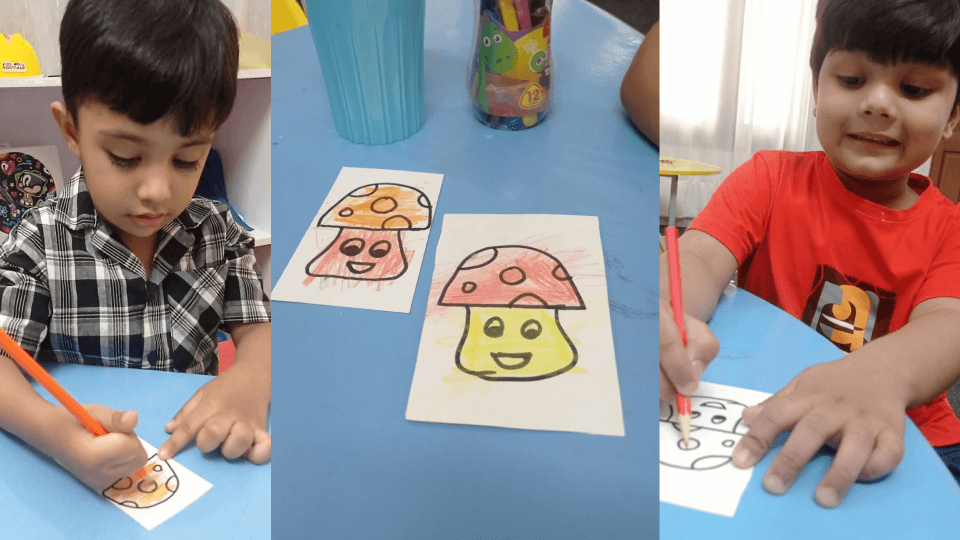
Why Is Art Important for Preschoolers?
15 Easy Art Activities for Preschoolers Ages 3–5
You don’t need to try all of these in one week. Pick one activity, prepare a small workspace and let your child explore.
1. Sponge Printing
Cut a clean kitchen sponge into simple shapes such as circles, squares or triangles.
Place a small amount of washable paint on a plate. Let your child dip the sponge into the paint and press it onto paper.
Soon the page becomes a collection of dots, shapes and patterns.
Try asking:
“What happens when you put two shapes together?”
Learning opportunities: shape recognition, colour exploration, hand control and pattern-making.
2. Leaf Printing
Take a short walk and collect a few fallen leaves.
Place paint on the textured side of a leaf, press it onto paper and lift it carefully.
Children can compare the marks made by different leaves.
In Multan and other parts of Pakistan, this can be an especially nice way to connect indoor creative work with the natural environment around children.
Try asking:
“Which leaf made the biggest print?”
Learning opportunities: observation, texture, comparison and nature exploration.
3. Finger Painting
Put two or three washable, child-safe paint colours on a large sheet of paper.
Let your child use fingers, fingertips or the whole hand to make lines, dots, swirls and patterns.
You don’t need to tell them what to paint.
The interesting part may be watching what happens when colours meet.
Try asking:
“What happened when these two colours touched?”
Learning opportunities: sensory exploration, colour mixing and self-expression.
4. Cotton Bud Dot Painting
Give your child cotton buds and small amounts of washable paint.
They can create dots to make flowers, rain, balloons, animals or completely abstract patterns.
For younger preschoolers, keep the design open-ended rather than expecting a specific picture.
Try asking:
“Can you make a pattern with your dots?”
Learning opportunities: hand control, visual patterns and concentration.
5. Torn Paper Collage
You don’t always need scissors for a collage.
Give children pieces of coloured paper and let them tear them into large and small pieces. They can arrange and glue the pieces onto another sheet.
The final result might become a tree, a house, a rainbow or something entirely unexpected.
Try asking:
“Which pieces would you like to put next to each other?”
Learning opportunities: fine motor control, composition, colour and decision-making.
6. Recycled Cardboard Creations
Before throwing away a small cardboard box, tube or food carton, ask whether it could become something else.
A box can become a house.
A cardboard tube can become a telescope.
Several pieces can become a robot, vehicle or imaginary machine.
Provide paint, glue, paper and child-safe decorative materials and let the child decide what the object will become.
This type of activity can also introduce an early STEAM mindset: design, build, test, change and try again.
7. Nature Collage
Collect safe natural materials such as fallen leaves, petals and small twigs.
Arrange them on paper and glue them down with adult supervision.
Children can create a landscape, animal, pattern or completely abstract design.
Try asking:
“Which natural material feels rough? Which one feels smooth?”
Learning opportunities: sensory awareness, observation, vocabulary and creativity.
8. Marble Rolling Art
Place a sheet of paper inside a shallow box or tray.
Dip a marble into washable paint, place it in the tray and slowly tilt the tray so the marble rolls across the paper.
The child gets to watch movement create lines.
Try asking:
“What do you think will happen if you tilt the tray this way?”
Learning opportunities: cause and effect, movement, prediction and visual exploration.
For safety, this should be a supervised activity because marbles are small objects.
9. Shape Monster Collage
Cut large circles, squares and triangles from coloured paper.
Let children combine the shapes to create funny monsters.
One child may make a monster with triangle ears. Another may create one with six eyes.
Add crayons or markers for details.
Try asking:
“How many shapes did your monster use?”
Learning opportunities: shapes, counting, vocabulary, creativity and fine motor skills.
10. Painting With Household Objects
Paintbrushes are not the only tools children can use.
Try clean objects such as:
- Sponges
- Cardboard tubes
- Bottle bottoms
- Large leaves
- Toy wheels
- Forks, with supervision
- Bubble wrap
Dip an object into paint and see what kind of mark it makes.
This is particularly useful when you want simple art activities for preschoolers that do not require specialist supplies.
11. Crayon Texture Rubbing
Place paper over a textured surface such as a leaf or another safe textured object.
Use the side of a crayon and gently rub across the paper.
The hidden texture begins to appear.
Children often find the reveal surprisingly exciting.
Try asking:
“What do you think is underneath the paper?”
Learning opportunities: observation, texture, pressure control and prediction.
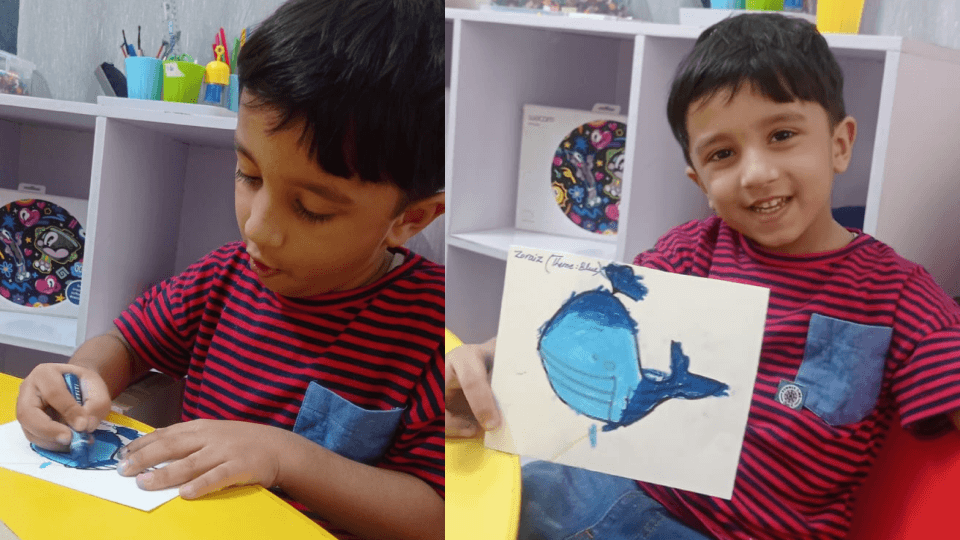
12. Colour Mixing Experiment
Give your child two paint colours at a time.
For example:
- Blue + yellow
- Red + yellow
- Blue + white
Ask them to mix the colours and observe what changes.
This turns an art activity into a tiny science investigation.
Instead of telling them the answer first, let them discover it.
Try asking:
“What colour do you think we will make?”
Learning opportunities: colour recognition, prediction, observation and early scientific thinking.
13. Play Dough Sculpting
Homemade or child-safe play dough can become an art material.
Invite your child to roll, pinch, flatten, twist and combine the dough.
They might create food for a pretend restaurant, animals, flowers or imaginary characters.
There doesn’t have to be a finished model.
Sometimes the most useful part is simply manipulating the material.
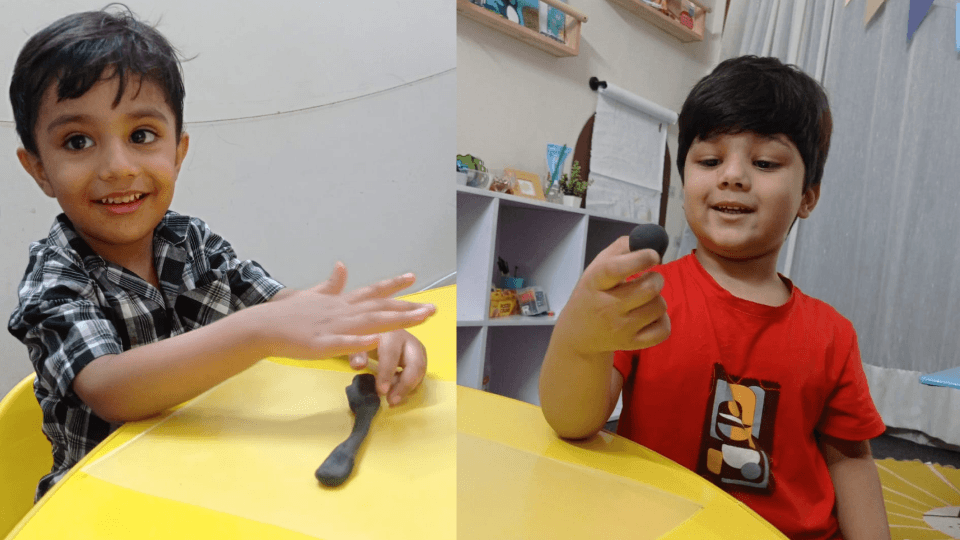
Learning opportunities: hand strength, fine motor control, imagination and sensory exploration.
14. Paint to Music
Put on a piece of music and give your child paper and washable paint.
Rather than asking them to paint an object, invite them to respond to the music using lines, dots, swirls and colours.
Fast music might inspire quick marks. Slow music may encourage longer, slower strokes.
There is no correct painting.
Try asking:
“What kind of line does this music make you want to draw?”
Learning opportunities: listening, movement, emotional expression and creative interpretation.
15. Big Collaborative Mural
Tape a large sheet of paper to the floor or a suitable wall.
Let two or more children draw or paint on the same piece of paper.
They can add roads, trees, houses, animals, people, planets or anything else they imagine.
This is one of the more social creative activities for kids ages 3–5 because children have to share space and notice each other’s ideas.
Try asking:
“What can we add to our picture together?”
Learning opportunities: cooperation, communication, creativity and spatial awareness.
A four-year-old can spend twenty minutes carefully building a tower from blocks, another ten minutes pretending the floor is lava, and then suddenly refuse to sit through a five-minute worksheet.For many parents, this can be confusing. Is my child learning enough? Should preschool involve more writing? Why does my child learn so much when they're playing but lose interest when asked to sit still?The answer often comes down to how young children learn.Good preschool activities aren't simply ways to keep children busy. When thoughtfully planned, they give children opportunities to move, experiment, communicate, create, solve problems and make sense of the world around them.That is particularly important when families are choosing a preschool in Multan, where parents may be looking for an environment that balances early academics with confidence, social development, creativity and practical skills.
Which Art Activities Are Best for Children Ages 3–5?
Should Preschool Art Be About the Finished Product?
How Can Parents Make Art Time Easier at Home?
How Can Art Become a Learning Activity Without Feeling Like a Lesson?
The easiest way is to add questions rather than worksheets.
During sponge printing, talk about shapes.
During colour mixing, make predictions.
During collage, count pieces.
During clay work, describe texture.
During painting, talk about movement.
For example, a simple leaf-printing activity can involve art, science and language at the same time:
Art: making a print
Science: observing texture
Math: comparing sizes
Language: describing the leaf
Motor development: pressing and lifting the leaf
This is one reason hands-on creative experiences fit naturally into a child-centred, STEAM-oriented early learning environment.
The activity doesn’t have to be labelled a “lesson” for meaningful learning to happen.
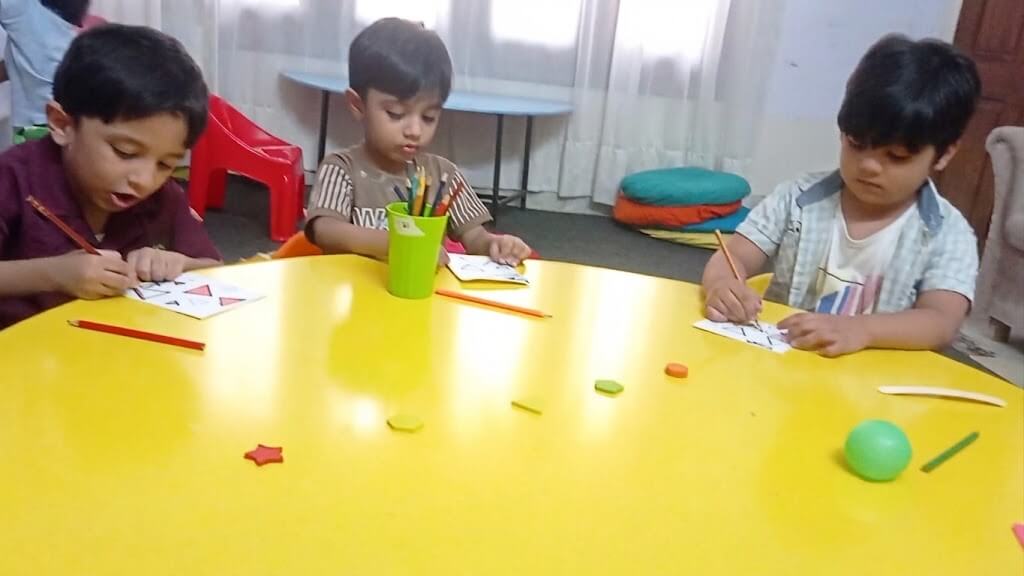
What Should Parents Look for in Preschool Art Activities?
Common Mistakes to Avoid During Preschool Art
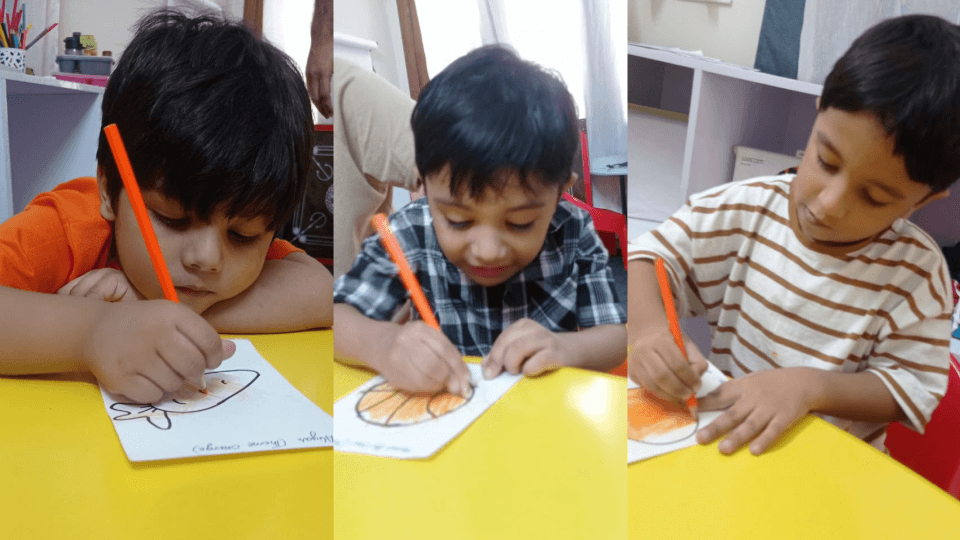
Doing the project for the child
It can be tempting to “help” until the artwork looks perfect.
Try stepping back instead.
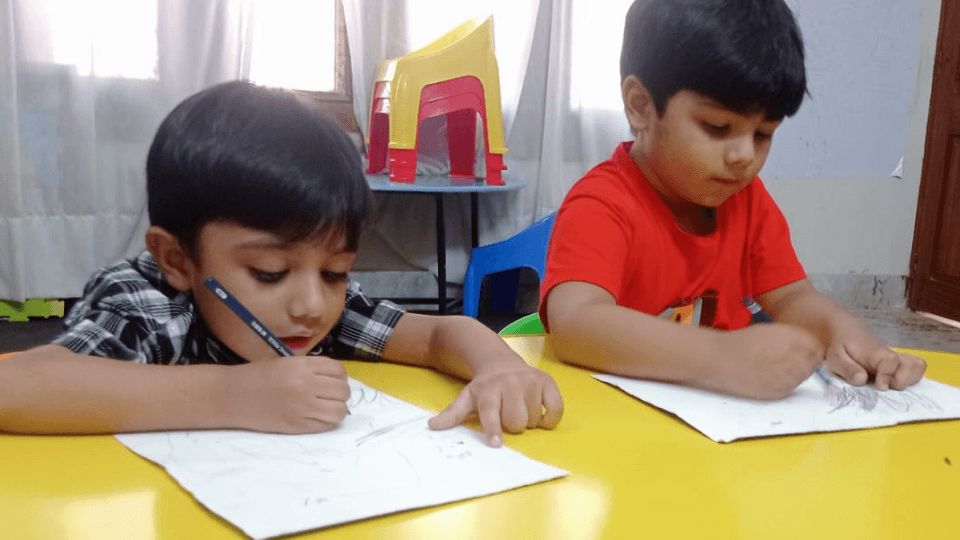
Giving too many instructions
A long sequence of instructions can turn creative play into a test of memory.
Keep directions short and demonstrate only when necessary.
Expecting children to stay clean
Art is often sensory.
Use washable materials and protect the workspace rather than making children afraid of getting paint on their hands.
Comparing artwork
“Look how nicely your friend did it” can make children focus on comparison rather than exploration.
Talk about what you notice instead:
“I see you used lots of circles.”
Asking, “What is it?”
Sometimes the child doesn’t know yet.
Try:
“Tell me about what you’re making.”
That leaves room for the idea to develop.
Easy Art Activities in a Pakistani Preschool Setting
How Art Fits Into Child-Centred Early Learning
A Simple Takeaway for Parents
FAQs
Preschool Activities in Multan: A Helpful Parent’s Guide
What Are Preschool Activities?
Why Do Preschool Activities Matter?
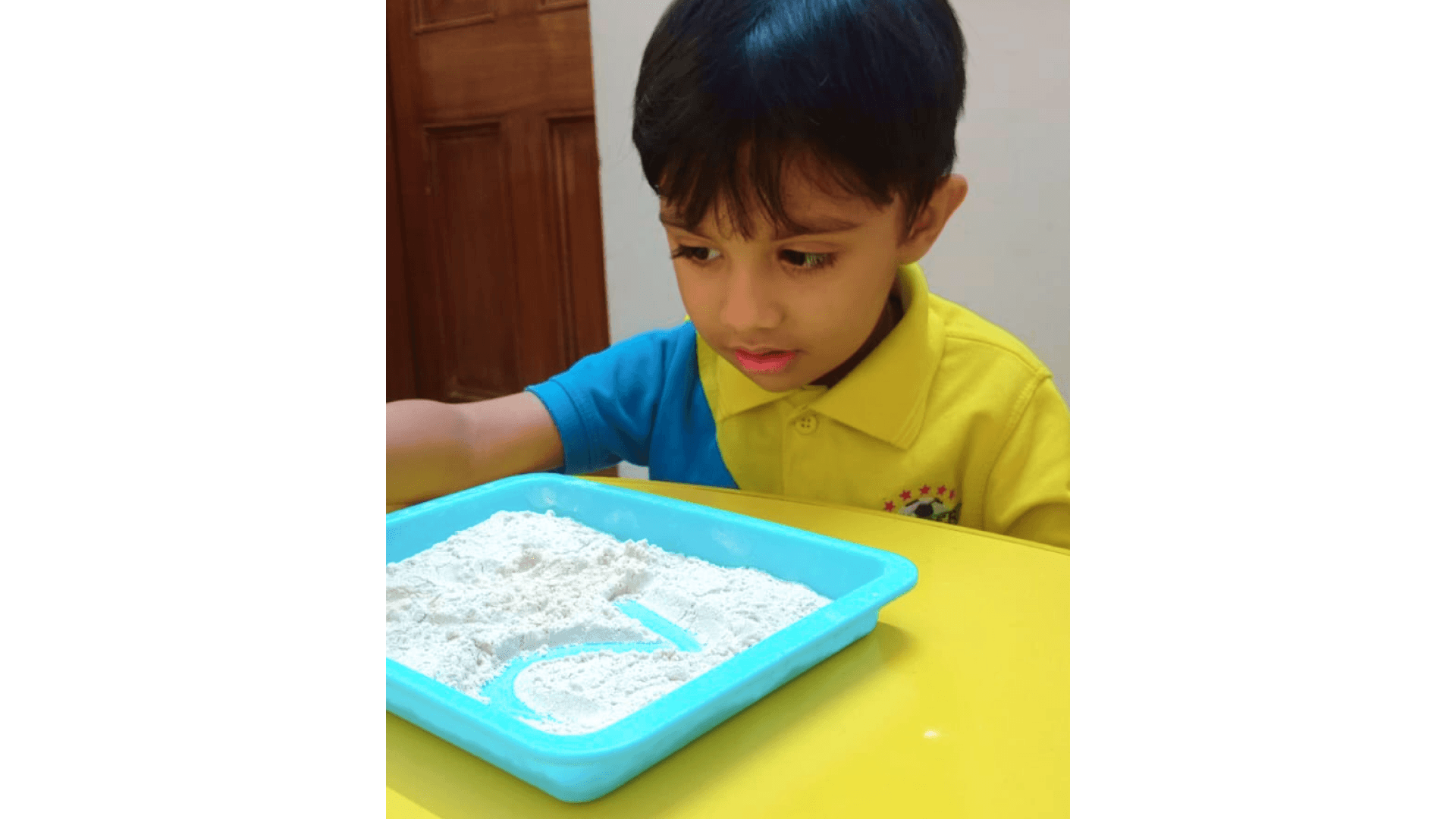
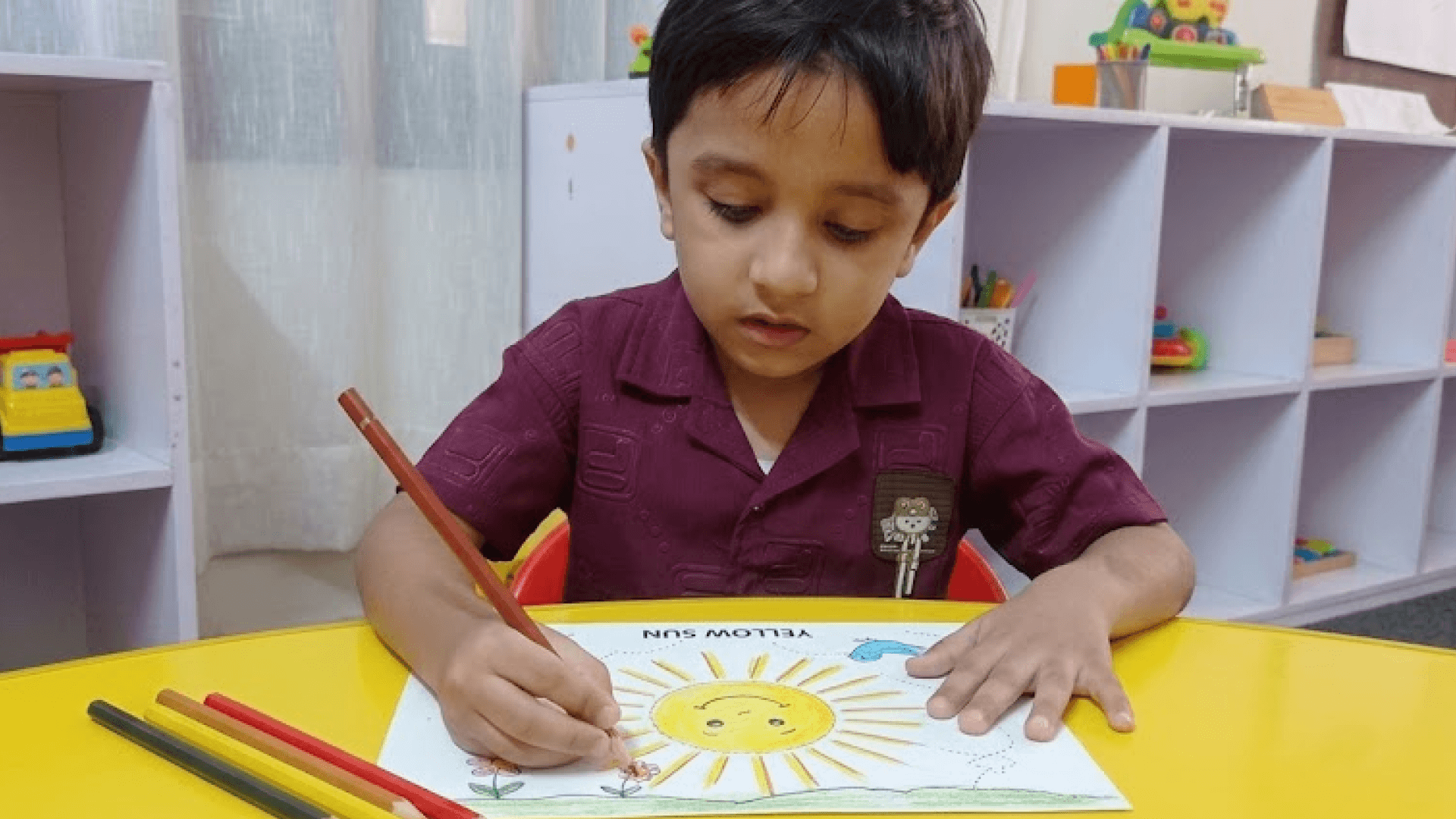
What Preschool Activities Can Children Do in Multan?
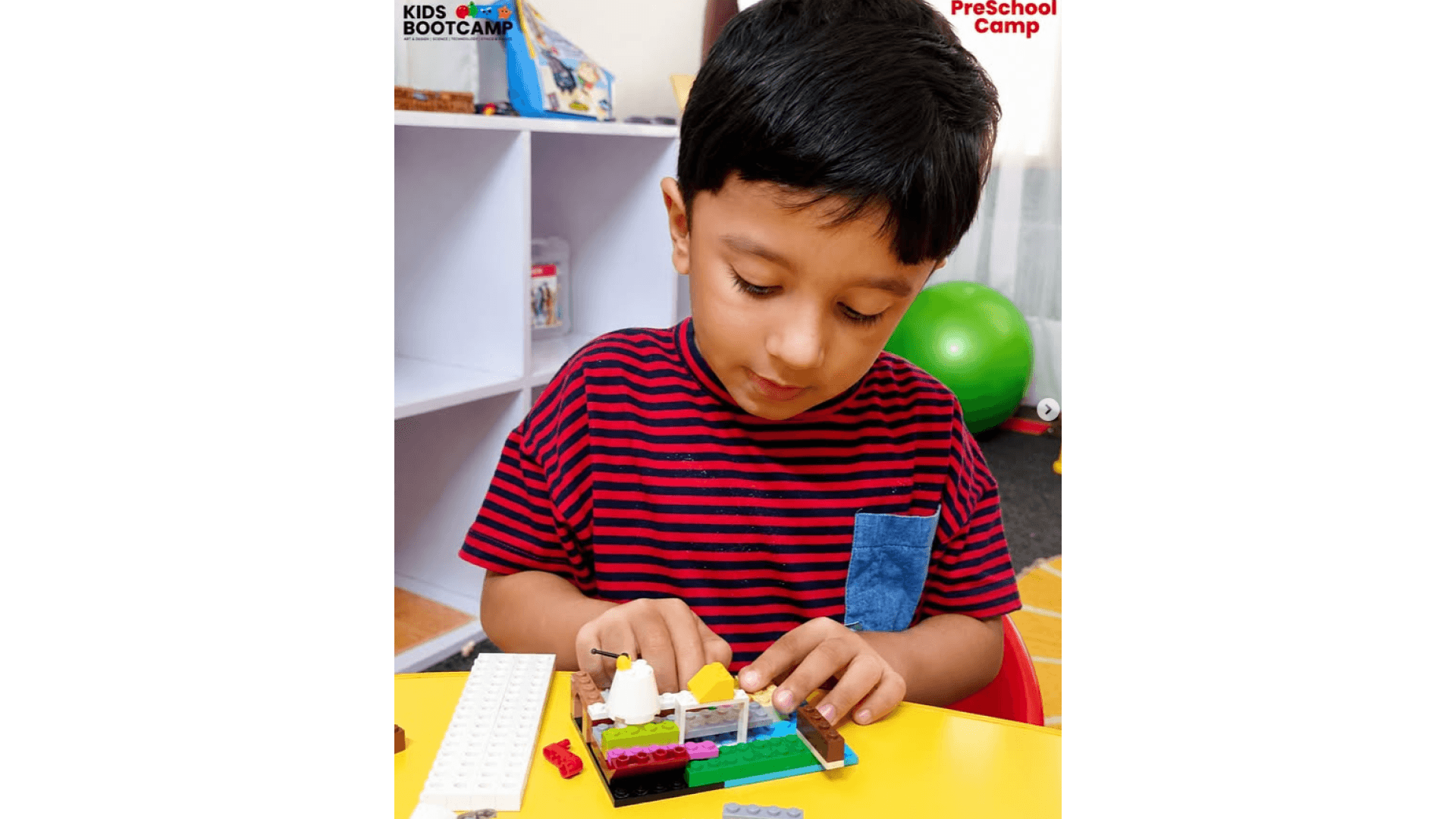
What Makes a Good Preschool Activity?
How Should Parents Choose a Preschool in Multan?
Preschool Activities in Multan Need Local Thinking Too
How Can Parents Continue Preschool Learning at Home?
How Can Parents Continue Preschool Learning at Home?
What Parents Should Look For Beyond Academic Activities
A Better Way to Think About Preschool
FAQs
Magnet Experiment for Kids: Fun STEM Activities That Inspire Young Scientists
each other away? To children, it feels like magic—but it’s actually science! A magnet experiment for kids is one of the easiest and most exciting ways to introduce young learners to STEM (Science, Technology, Engineering, and Mathematics). Through simple, hands-on activities, children discover how magnetic forces work while building curiosity, confidence, and problem-solving skills.
At Kids Bootcamp, we recently organized an engaging STEM session where children explored magnets through exciting experiments, interactive games, and real-world demonstrations. Instead of simply learning scientific facts, they became young scientists—making predictions, testing ideas, and discovering answers through exploration.
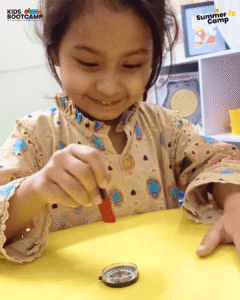
Why Magnet Experiments Are Perfect for STEM Learning
A magnet experiment for kids combines fun with education. Magnets are safe, easy to use, and instantly capture children’s attention. More importantly, they introduce important scientific concepts in a way that young learners can understand.
Hands-on STEM activities help children:
– Develop critical thinking skills.
– Improve observation and reasoning.
– Learn through trial and error.
– Build confidence by making discoveries.
– Strengthen communication and teamwork.
– Encourage creativity and curiosity.
Rather than memorizing information, children experience science firsthand—and that makes learning memorable.
What Is a Magnet?
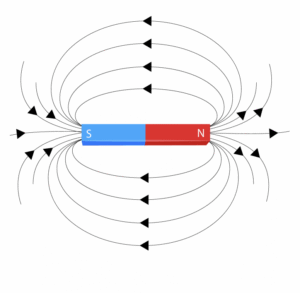
A magnet is an object that attracts certain types of metals, such as iron and steel. Magnets create an invisible magnetic field that allows them to pull or push other magnetic objects without touching them.
Although magnetic force cannot be seen, its effects are easy to observe through simple experiments. This makes magnetism one of the best science topics for children who are just beginning their STEM journey.
Experiment 1: Magnetic vs. Non-Magnetic Objects
Our first magnet experiment for kids challenged children to explore everyday classroom objects.
We placed various materials on a table, including:
– Paper clips
– Keys
– Coins
– Wooden blocks
– Plastic toys
– Bottle caps
– Rubber erasers
– Spoons
– Pencils
Before testing each object, the children predicted whether it would stick to the magnet. Once they tested the objects, they sorted them into two groups.
Magnetic Objects
– Paper clips
– Iron nails
– Steel spoons
– Metal keys
Non-Magnetic Objects
– Plastic toys
– Wooden blocks
– Paper
– Rubber
– Fabric
This activity encouraged observation, prediction, comparison, and logical thinking while introducing children to the basic properties of magnets.
Experiment 2: Attraction and Repulsion
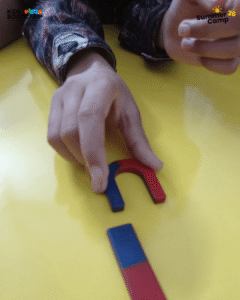
One of the most exciting moments came when children explored how magnets interact with each other.
They discovered that:
– Opposite poles attract each other.
– Like poles repel each other.
Instead of simply explaining these concepts, we encouraged children to test different sides of two magnets repeatedly. Every successful prediction made the activity even more exciting.
Watching magnets pull together—and then suddenly push apart—was one of the highlights of the session.
Experiment 3: Magnetic Fishing Game
Learning becomes even more meaningful when science is combined with play.
Our magnetic fishing game challenged children to catch colorful paper fish using fishing rods fitted with magnets. Every fish contained a small metal clip, allowing children to experience magnetic force while enjoying a fun challenge.
This activity helped improve:
– Hand-eye coordination
– Concentration
– Patience
– Fine motor skills
– Teamwork
Without realizing it, children were applying scientific concepts through play.
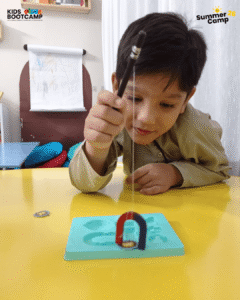
Experiment 4: Levitating Magnet
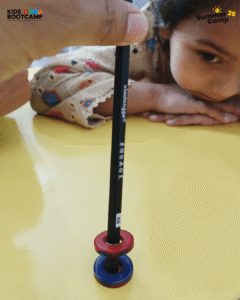
One of the most fascinating moments during our magnet experiment for kids was creating a levitating magnet. To children, it looked like the magnet was floating in mid-air, but they soon discovered that science—not magic—was making it happen.
Using a magnetic levitation kit with a guide rod, we stacked ring magnets in the correct direction. As the children carefully placed each magnet onto the rod, they noticed that some magnets pushed away from each other instead of sticking together. This magnetic repulsion created a small gap between the magnets, making one appear to float.
The activity encouraged children to experiment by flipping the magnets and observing how their behavior changed. They quickly learned that when the same magnetic poles face each other, they repel, creating the levitating effect.
Through this exciting STEM activity, children explored important scientific concepts, including:
– Magnetic attraction and repulsio
– Invisible magnetic field
– Cause and effec
– Observation and predictio
– Scientific investigation through
– hands-on learning
The levitating magnet experiment quickly became one of the highlights of the session, inspiring children to ask questions and think like young scientists.
Experiment 5: How a Compass Works
Our final activity connected magnets to something children may have seen but never fully understood—a compass.
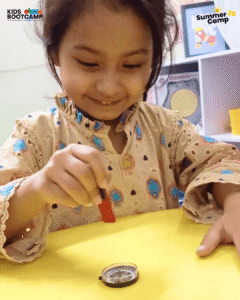
A compass contains a tiny magnetized needle that naturally points toward Earth’s magnetic north.
To make the lesson interactive, we slowly moved another magnet close to the compass. The children observed the needle changing direction and realized that nearby magnets could influence its movement.
This simple experiment introduced the concept of magnetic fields and demonstrated how magnets are used in everyday tools.
Skills Children Developed
Although the session focused on magnets, the learning extended far beyond science.
Children practiced:
– Observation
– Prediction
– Problem-solving
– Communication
– Teamwork
– Fine motor coordination
– Scientific thinking
– Confidence in asking questions
These are valuable life skills that support learning across all subjects.
Why Hands-On STEM Activities Matter
Research has consistently shown that children learn more effectively when they actively participate in the learning process. Reading about science is helpful, but experimenting with it creates deeper understanding.
Hands-on STEM activities encourage children to ask questions, test ideas, make mistakes, and discover solutions independently. This type of learning builds resilience, creativity, and a lifelong interest in science.
A simple magnet experiment for kids can become the first step toward a passion for engineering, technology, or scientific discovery.
Try These Magnet Activities at Home
Learning doesn’t have to stop after the activity ends
Here are a few ideas:
– Search your home for magnetic and non-magnetic objects.
– Create a magnetic treasure hunt.
– Make your own magnetic fishing game.
– Use a refrigerator magnet to test different household items.
– Observe a compass and see how it reacts when another magnet is nearby.
Always supervise children when using small magnets and keep them away from younger siblings who may put them in their mouths.
What Children Learned
By the end of the session, children understood that:
– Magnets attract certain metals.
– Not every object is magnetic.
– Magnets can attract and repel.
– Magnetic force works without direct contact.
– A compass uses magnetism to find direction.
Science becomes more exciting through hands-on exploration.
Most importantly, they discovered that asking questions and experimenting are at the heart of scientific learning.
Final Thoughts
A magnet experiment for kids is much more than a fun classroom activity. It introduces children to the fascinating world of science through exploration, creativity, and discovery. From testing everyday objects to observing attraction, repulsion, floating paper clips, and compass movement, every experiment encouraged curiosity and inspired young minds to think like scientists.
At Kids Bootcamp, we believe the best learning happens when children are free to ask questions, explore ideas, and learn by doing. Our STEM activities are designed to make science enjoyable, practical, and memorable, helping children build the confidence and skills they need for the future.
Whether you’re a parent, teacher, or educator, magnet experiments are a simple yet powerful way to inspire a lifelong love of science.
Frequently Asked Questions
What is a magnet experiment for kids?
A magnet experiment for kids is a hands-on science activity that helps children explore how magnets attract and repel certain objects while learning about magnetic force in a fun and interactive way.
What do children learn from magnet activities?
Children learn about magnetic and non-magnetic materials, attraction and repulsion, magnetic fields, prediction, observation, and problem-solving skills.
Are magnet experiments safe?
Yes. Magnet activities are safe when children are supervised and age-appropriate magnets are used. Small magnets should always be kept away from young children due to choking hazards.
Learn More About Magnet Science
Explore more STEM resources from trusted educational organizations:
- NASA STEM: https://www.nasa.gov/stem
- Science Buddies: https://www.sciencebuddies.org
- National Geographic Kids: https://kids.nationalgeographic.com/science
Will a Kids Fitness Camp Social Benefits Help Your Child Build Lasting Friendships?
Why Crayon Drawing for kids Is More Than Just Coloring: Boosting Your Child’s Imagination
Crayon Drawing for kids, It’s Not Just Playtime
Most parents see Crayon Drawing for kids as a simple distraction.
A quick way to keep kids busy. A mess-maker. Something to hand over when you need a few quiet minutes.
A child sits down, grabs a crayon, and starts scribbling on paper. Lines go everywhere. Colors overlap. Nothing seems structured.
At first glance, it feels random. Unplanned. Even meaningless.
But here’s the truth most people miss:
That “messy drawing” is actually one of the most powerful forms of early learning.
Because when a child draws with crayons, they are not just coloring —
they are thinking, imagining, experimenting, and expressing all at once.
And if you look closely, you’ll realize something surprising:
Every line has a purpose.
Every color has a reason.
Every drawing tells a story.
The Hidden World Behind Every Scribble
Adults often judge children’s drawings using adult standards.
We look for neatness. Proportion. Realism.
But children don’t think that way.
They don’t draw what they see.
They draw what they feel and imagine.
A simple scribble might look like nothing to you —
but to a child, it could be:
- A road leading to a secret place
- A jungle filled with hidden animals
- A stormy sky with lightning
- A superhero flying through space
The drawing is not just a picture.
It’s a representation of their internal world.
This is why two children given the same crayons and paper will create completely different drawings.
Because each child is telling a different story.
Crayons as a Tool for Thinking
Crayons might seem basic, but they activate complex mental processes in children.
Let’s break down what’s really happening when a child draws.
1. Imagination Comes to Life
Before a child draws anything, they imagine it.
They visualize shapes, characters, and scenes that don’t physically exist yet.
This ability — to create something from nothing — is the foundation of creativity.
It’s the same skill used by:
- Designers
- Engineers
- Storytellers
- Entrepreneurs
Crayon drawing is where it begins.
2. Decision-Making Skills Develop Naturally
Every drawing involves choices.
- Which color should I use?
- Where should I place this shape?
- Should this be big or small?
These may seem like small decisions, but they build confidence in thinking independently.
Instead of following strict rules, children learn to trust their instincts.
3. Problem-Solving in Action
Not every drawing goes as planned.
A line might go wrong. A color might not look right.
What happens next?
Children adapt.
They turn mistakes into new ideas.
They adjust their drawings.
They find creative solutions.
This is real-world problem-solving — happening naturally, without pressure.
4. Motor Skills and Control Improve
Crayons also help develop fine motor skills.
The way a child holds and moves a crayon strengthens:
- Hand control
- Coordination
- Precision
These skills are essential for writing, typing, and many everyday tasks.
Where Most Parents Go Wrong
Despite all these benefits, many children don’t reach their creative potential.
Why?
Because creativity often gets unintentionally restricted.
Parents and teachers sometimes say things like:
- “Stay inside the lines”
- “Draw it properly”
- “That’s not how it looks”
These instructions come from a good place — but they create limitations.
Over time, children start to:
- Doubt their ideas
- Fear making mistakes
- Focus on being “correct” instead of creative
And slowly, their imagination begins to shrink.
Creativity Needs Freedom — Not Perfection
Creativity grows in an environment where children feel safe to explore.
They need:
- Freedom to experiment
- Space to make mistakes
- Encouragement to express themselves
Instead of correcting a drawing, try understanding it.
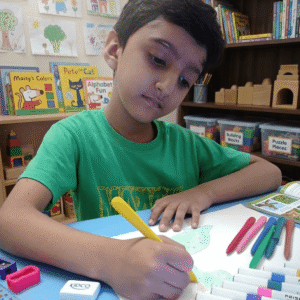
When your child shows you their art, don’t just say “nice.”
Ask questions like:
- “What’s happening here?”
- “Who is this character?”
- “Why did you choose this color?”
These questions do something powerful:
They tell your child that their ideas matter.
From Scribbles to Stories: A Better Way to Teach Art
Traditional art teaching focuses on results.
Draw this shape. Color this image. Follow these steps.
But real creativity comes from process, not perfection.
That’s why a better approach is to focus on:
- Thinking
- Storytelling
- Expression
When a child says,
“This is my jungle, and these animals are hiding,”
They’re not just drawing.
They’re:
- Building narratives
- Developing communication skills
- Strengthening imagination
This is the kind of learning that goes beyond art.
Why Creative Skills Matter More Than Ever
We’re living in a world that is changing faster than ever.
Information is everywhere. Technology is evolving. AI is growing.
In this environment, one skill stands out:
Creativity
Because while information can be accessed instantly,
the ability to think differently, imagine new ideas, and solve problems creatively is what truly sets individuals apart.
And that journey doesn’t start in high school or university.
It starts with something as simple as a crayon.
A Simple Activity Every Parent Should Try
You don’t need expensive tools or structured lessons to support your child’s creativity.
Start with this:
The “Tell Me Your Drawing” Activity
- Give your child paper and crayons
- Let them draw freely (no instructions)
- When they finish, ask them to explain their drawing
That’s it.
No corrections. No judgments.
Just listen.
You’ll discover:
- How they think
- What they imagine
- How they see the world
And most importantly, your child will feel heard and valued.
The Role of Guided Creativity
While freedom is important, guidance makes creativity stronger.
The right environment helps children:
- Refine their ideas
- Learn new techniques
- Build confidence in their abilities
This is where structured creative programs come in.
Not to control creativity —
but to nurture and expand it.
How We Approach Creativity Differently
At our Creative Kids Bootcamp, we don’t just teach kids how to draw.
We focus on helping them:
- Think creatively
- Express their ideas confidently
- Build stories through art
Instead of asking kids to copy drawings, we encourage them to:
- Create their own concepts
- Explain their artwork
- Explore different styles and tools
Because the goal is not to create perfect artists.
The goal is to develop confident, imaginative thinkers.
Final Thoughts: Every Drawing Has a Voice
The next time you see your child scribbling with crayons, pause for a moment.
Look beyond the lines.
Look beyond the colors.
Because what you’re seeing is not just a drawing.
It’s:
- An idea taking shape
- A story being told
- A mind learning to think independently
Crayons may seem simple.
But in the hands of a child, they become tools for creativity, confidence, and growth.
And with the right support, that small drawing today
can turn into big ideas tomorrow.
Ready to Unlock Your Child’s Creativity?
If you want your child to go beyond traditional learning and develop real creative confidence, our Creative Kids Bootcamp or Summer Camp is designed for exactly that.
Hands-on creative learning
Art + imagination + thinking skills
Designed for ages 5–10
Limited seats available — enroll now and give your child the space to create, think, and grow.
