
How to Focus in the Digital Era: 7 Habits to Raise Focused Kids

Your child can be smart and still struggle in class. The missing piece is often mental focus. Many experts now say attention is a better clue to success than IQ or talent. The good news is simple. Concentration is a skill, and kids can learn it.
In the digital era, learning how to focus is harder than ever. Digital distractions are everywhere. This guide uses easy words and real examples. You will see how to improve concentration, protect memory, and build calm habits at home.
Why How to Focus Matters More Than IQ
IQ shows how fast a child can learn an idea. Sustained attention decides if they stay with it long enough to use it. A child with strong mental focus reads one more page, fixes one more error, and tries again. Over years, those small wins add up to big cognitive performance.
Attention also feeds memory. If a child only half-listens, the lesson never sticks. Good learning and concentration go hand in hand. Strong focus and productivity make homework shorter and school less stressful. That is why deep thinking is worth protecting early.
A Short History: Hugo Gernsback and The Isolator
Hugo Gernsback was a writer and magazine editor. In the 1920s, he showed off The Isolator. It was a helmet that blocked sound and sight. He believed it would help people think without outside influences. It looked odd, but the goal was clear: a distraction-free environment.
This tells us something. People worried about attention spans long before smartphones. The human mind has always been easy to pull away. What changed is the amount of noise. Today, device notifications replace the loud street, and they never stop.
“A wealth of information creates a poverty of attention.” — Herbert Simon, economist and psychologist
Psychology and Neuroscience: What the Experts Say
Research in psychology and neuroscience shows that the brain’s ability to concentrate can be measured. Monica Rosenberg, a cognitive neuroscientist at the University of Chicago, studies how brain activity links to attention. Her work suggests that sustained attention has patterns we can track, and these patterns change from person to person.
Nilli Lavie works at University College London. Her work in cognitive neuroscience is known for “load theory.” In simple terms, a hard, engaging task leaves less room for distractions. An easy, boring task lets them in. So parents can help by giving kids tasks that are interesting but not too easy.
Attention Span Decline: What Surveys Show
Is there an attention span decline? The picture is mixed. Surveys of UK adults often show that people feel they read less and lose focus faster. Some teachers and schools report that young people find full novels hard. Others use literary extracts instead.
We should be careful, though. Not every study proves that shorter attention spans are real. But many families see the same pattern at home. Novelist Elif Shafak gave a talk at TED Talks, and stories take time. Short clips are quick. Long books ask for patience, and patience is a trained habit.
Digital Distractions and Task Switching
Digital distractions come in many forms. Smartphone notifications, social media distractions, and open internet tabs all break a child’s flow. Each ping starts task switching. The brain must stop, shift, and restart. This costs time and adds mental fatigue.
The table below shows common distractions and easy fixes. Use it as a quick guide when you plan homework time.
| Distraction | Example | Easy fix |
|---|---|---|
| Smartphone notifications | Buzzing during homework | Phone in another room |
| Social media distractions | Quick scroll before study | Set app limits |
| Internet tabs | Ten tabs open at once | One tab, one task |
| Television distractions | Television episodes on in the background | TV off during study |
| Environmental distractions | Loud siblings, clutter | Quiet, tidy desk |
Case Study: A Classroom of Distracted Students
Here is an illustrative example, not a real study. A teacher notices distracted students in her class. She tries modular lessons. Each lesson has short parts of ten to fifteen minutes. After each part, the students take a one-minute break.
Focus gets better. Students stay with the task, and work gets finished. The teacher also adds a phone basket at the door. Over weeks, the class needs fewer reminders. The lesson is clear: small structure beats long lectures for learning and concentration.
Habit 1: Let Them Get Bored to Learn How to Focus
Boredom is not the enemy. When kids have nothing to do, their minds look for ideas. This builds deep thinking and creativity. It also trains the brain’s ability to concentrate without help from a screen.
Say, “I bet you will think of something.” Then wait. The first ten minutes may be loud. After that, most kids start to draw, build, or invent. This is a quiet way to improve concentration, and it costs nothing.

Habit 2: Protect Unstructured Play for Better Attention
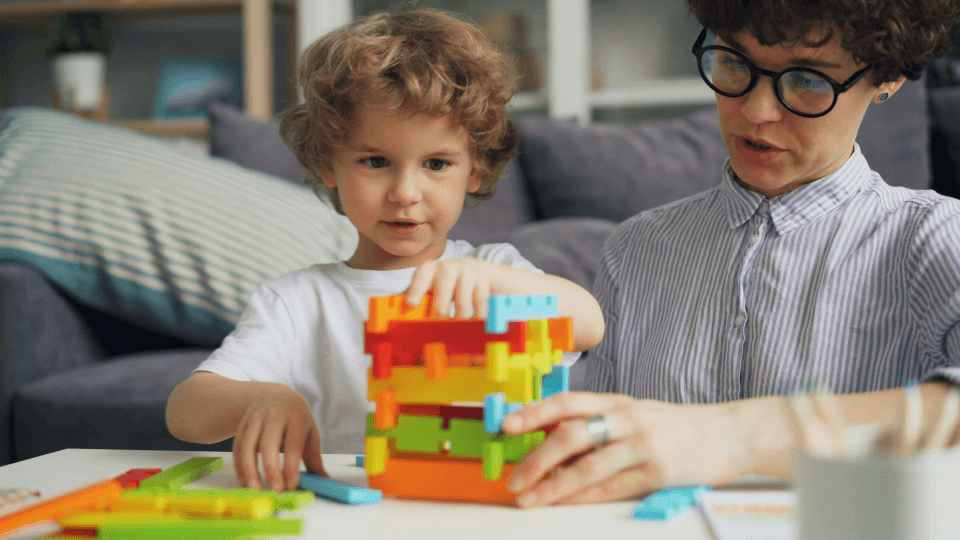
Free play is hard work for the brain. Kids plan, test ideas, and fix mistakes. This builds sustained attention and memory. No adult gives steps, so the child learns to guide their own mental focus.
Try to give your child a daily block of open time. Thirty to sixty minutes is a good start. Keep toys simple, like blocks, boxes, and paper. Simple tools invite long play, and long play grows attention spans.
Habit 3: Create a Distraction-Free Environment
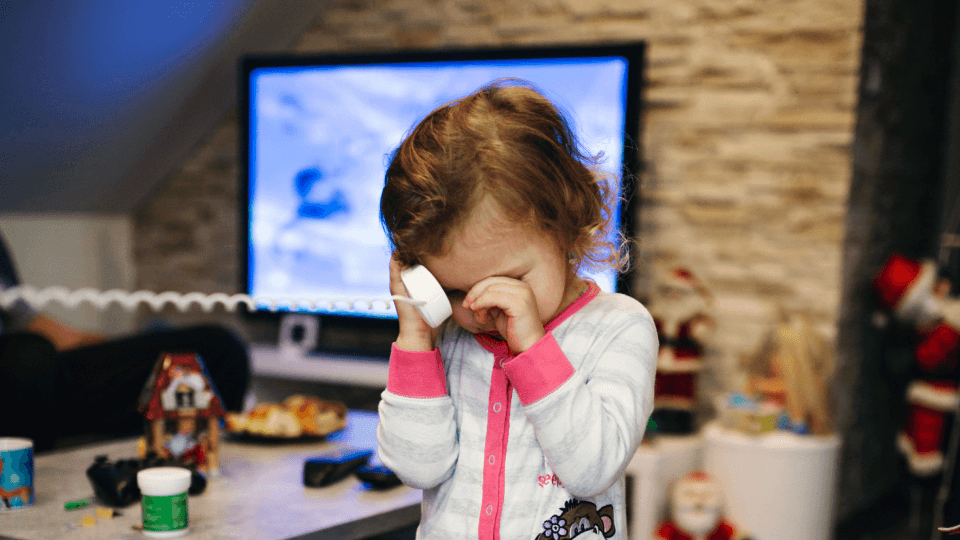
A calm space helps the human mind settle. Environmental distractions like loud TV, chatter, or clutter steal focus. A distraction-free environment makes it easy to start and easy to stay. Think of it as a small, quiet zone for study.
Choose one spot with good light and a clear desk. Keep supplies close. Turn off the TV when no one watches it. These simple steps cut television distractions and give kids the space to improve concentration.
Habit 4: Stop Multitasking to Boost Focus and Productivity
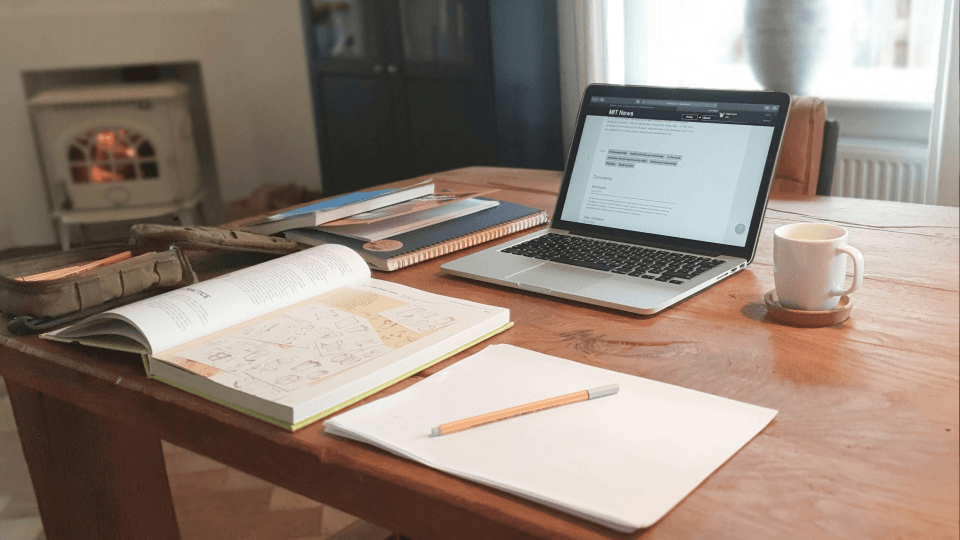
Homework with a screen on is not real study. It is task switching in disguise. Each switch costs energy and hurts cognitive performance. Kids end up with weak memory of the lesson and more mental fatigue.
Teach one thing at a time. Set a timer for ten to twenty minutes. Close extra internet tabs and mute device notifications. When the timer ends, give a short break. This builds focus and productivity step by step.
Habit 5: Read Together Every Day
Reading builds attention like few other habits. A story asks a child to listen, picture, and follow the plot. This is real practice in sustained attention. It also grows memory, language, and calm feelings.
Read aloud for ten minutes each night. Let your child pick the book. Ask, “What happens next?” Try short chapters first, then move toward full novels as skills grow. This helps counter shorter attention spans over time.

Habit 6: Delay Screens and Manage Social Media Distractions
Screens are fun, but fast content trains the brain to expect quick rewards. Some research links heavy early screen use to attention span decline, but results vary. Some places, like Australia, have even passed social-media bans for young teens. This shows how serious the concern has become.
At home, keep things simple. Delay screens for little ones and follow pediatric guidance. For older kids, limit social media distractions and keep phones out of bedrooms. Real-world play gives the brain richer practice than any app.
Habit 7: Model Focus Yourself
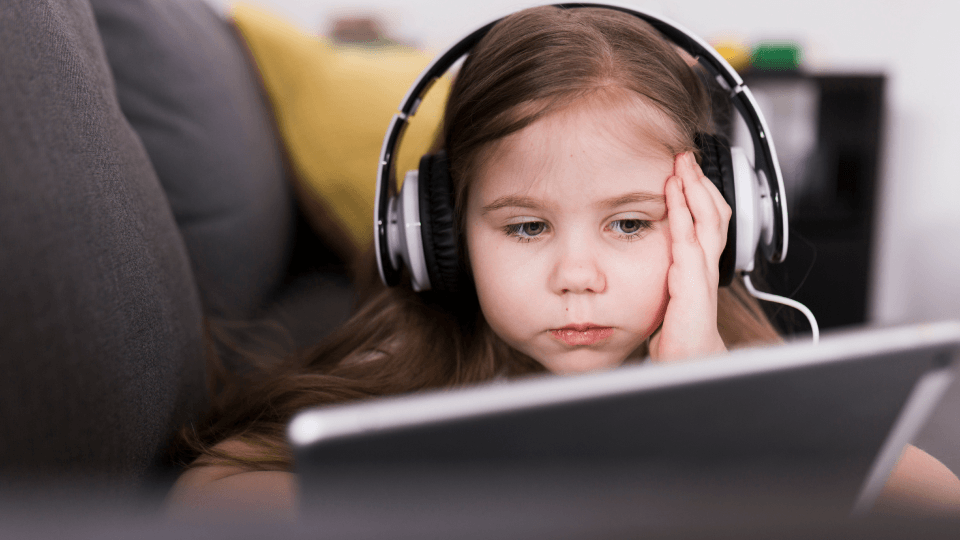
Kids copy what they see. If you scroll at dinner, they learn that attention is split. If you focus on a task and return after a break, they learn that too. Your habits are their first lesson in mental focus.
Say it out loud. “I got distracted, so I am going back to my work.” This shows that digital distractions are normal and can be handled. A few phone-free moments each day also build trust.

How to Improve Concentration Every Day: Quick Summary
Pick one habit and start small. The table below links each habit to what it trains. Add a new habit every two or three weeks.
| Habit | What it trains | Daily time |
|---|---|---|
| Let them get bored | Self-directed attention | 10–15 minutes |
| Unstructured play | Sustained attention | 30–60 minutes |
| Quiet space | Concentration | Whole study time |
| One task at a time | Less task switching | 10–20 minutes |
| Read together | Memory and focus | 10 minutes |
| Delay screens | Fewer digital distractions | All day |
| Model focus | Habits by example | All day |
FAQ: How to Focus and Improve Concentration
How can I help my child focus better at home?
Start with one habit, such as a quiet homework spot or a nightly story. Keep it steady for a few weeks. Small changes beat big overhauls.
Do screens really cause shorter attention spans?
The research is still growing. Some studies link heavy use to focus problems. A balanced approach is wise: limit screens and protect play, reading, and talking.
When should I see a doctor?
Talk to your pediatrician if focus problems are strong, last a long time, and show up at home and school. This article is not medical advice.
Conclusion: Start With One Habit This Week
Learning how to focus does not need a perfect home. It needs small, steady choices. Let kids get bored, protect play, quiet the room, read together, limit screens, and show focus yourself. These habits protect attention, memory, and concentration for life.
Want the free guide? Comment BOOTCAMP on our post, and we will send you “Raising a Bright Mind.”
