
How to Focus in the Digital Era: 7 Habits to Raise Focused Kids
Your child can be smart and still struggle in class. The missing piece is often mental focus. Many experts now say attention is a better clue to success than IQ or talent. The good news is simple. Concentration is a skill, and kids can learn it.
In the digital era, learning how to focus is harder than ever. Digital distractions are everywhere. This guide uses easy words and real examples. You will see how to improve concentration, protect memory, and build calm habits at home.
Why How to Focus Matters More Than IQ
IQ shows how fast a child can learn an idea. Sustained attention decides if they stay with it long enough to use it. A child with strong mental focus reads one more page, fixes one more error, and tries again. Over years, those small wins add up to big cognitive performance.
Attention also feeds memory. If a child only half-listens, the lesson never sticks. Good learning and concentration go hand in hand. Strong focus and productivity make homework shorter and school less stressful. That is why deep thinking is worth protecting early.
A Short History: Hugo Gernsback and The Isolator
Hugo Gernsback was a writer and magazine editor. In the 1920s, he showed off The Isolator. It was a helmet that blocked sound and sight. He believed it would help people think without outside influences. It looked odd, but the goal was clear: a distraction-free environment.
This tells us something. People worried about attention spans long before smartphones. The human mind has always been easy to pull away. What changed is the amount of noise. Today, device notifications replace the loud street, and they never stop.
“A wealth of information creates a poverty of attention.” — Herbert Simon, economist and psychologist
Psychology and Neuroscience: What the Experts Say
Research in psychology and neuroscience shows that the brain’s ability to concentrate can be measured. Monica Rosenberg, a cognitive neuroscientist at the University of Chicago, studies how brain activity links to attention. Her work suggests that sustained attention has patterns we can track, and these patterns change from person to person.
Nilli Lavie works at University College London. Her work in cognitive neuroscience is known for “load theory.” In simple terms, a hard, engaging task leaves less room for distractions. An easy, boring task lets them in. So parents can help by giving kids tasks that are interesting but not too easy.
Attention Span Decline: What Surveys Show
Is there an attention span decline? The picture is mixed. Surveys of UK adults often show that people feel they read less and lose focus faster. Some teachers and schools report that young people find full novels hard. Others use literary extracts instead.
We should be careful, though. Not every study proves that shorter attention spans are real. But many families see the same pattern at home. Novelist Elif Shafak gave a talk at TED Talks, and stories take time. Short clips are quick. Long books ask for patience, and patience is a trained habit.
Digital Distractions and Task Switching
Digital distractions come in many forms. Smartphone notifications, social media distractions, and open internet tabs all break a child’s flow. Each ping starts task switching. The brain must stop, shift, and restart. This costs time and adds mental fatigue.
The table below shows common distractions and easy fixes. Use it as a quick guide when you plan homework time.
| Distraction | Example | Easy fix |
|---|---|---|
| Smartphone notifications | Buzzing during homework | Phone in another room |
| Social media distractions | Quick scroll before study | Set app limits |
| Internet tabs | Ten tabs open at once | One tab, one task |
| Television distractions | Television episodes on in the background | TV off during study |
| Environmental distractions | Loud siblings, clutter | Quiet, tidy desk |
Case Study: A Classroom of Distracted Students
Here is an illustrative example, not a real study. A teacher notices distracted students in her class. She tries modular lessons. Each lesson has short parts of ten to fifteen minutes. After each part, the students take a one-minute break.
Focus gets better. Students stay with the task, and work gets finished. The teacher also adds a phone basket at the door. Over weeks, the class needs fewer reminders. The lesson is clear: small structure beats long lectures for learning and concentration.
Habit 1: Let Them Get Bored to Learn How to Focus
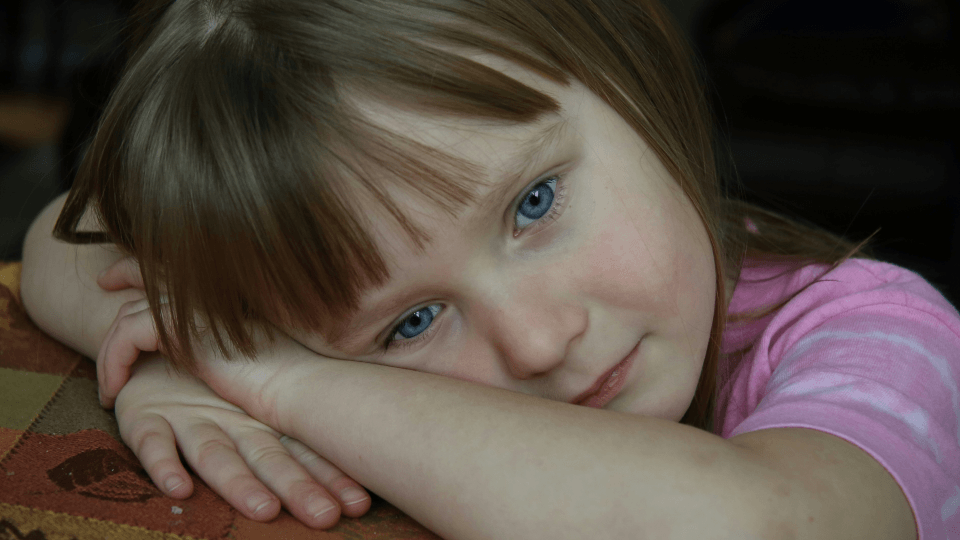
Boredom is not the enemy. When kids have nothing to do, their minds look for ideas. This builds deep thinking and creativity. It also trains the brain’s ability to concentrate without help from a screen.
Say, “I bet you will think of something.” Then wait. The first ten minutes may be loud. After that, most kids start to draw, build, or invent. This is a quiet way to improve concentration, and it costs nothing.
Habit 2: Protect Unstructured Play for Better Attention
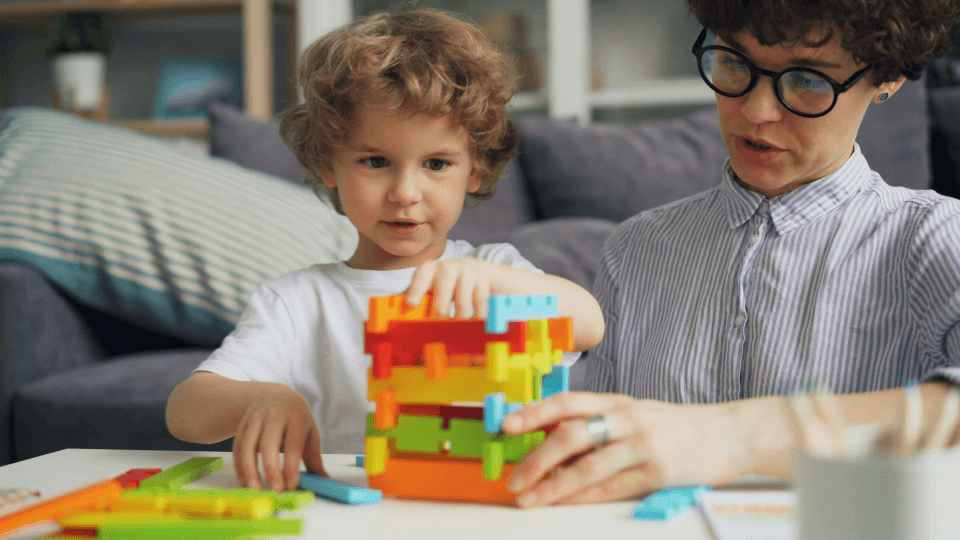
Free play is hard work for the brain. Kids plan, test ideas, and fix mistakes. This builds sustained attention and memory. No adult gives steps, so the child learns to guide their own mental focus.
Try to give your child a daily block of open time. Thirty to sixty minutes is a good start. Keep toys simple, like blocks, boxes, and paper. Simple tools invite long play, and long play grows attention spans.
Habit 3: Create a Distraction-Free Environment
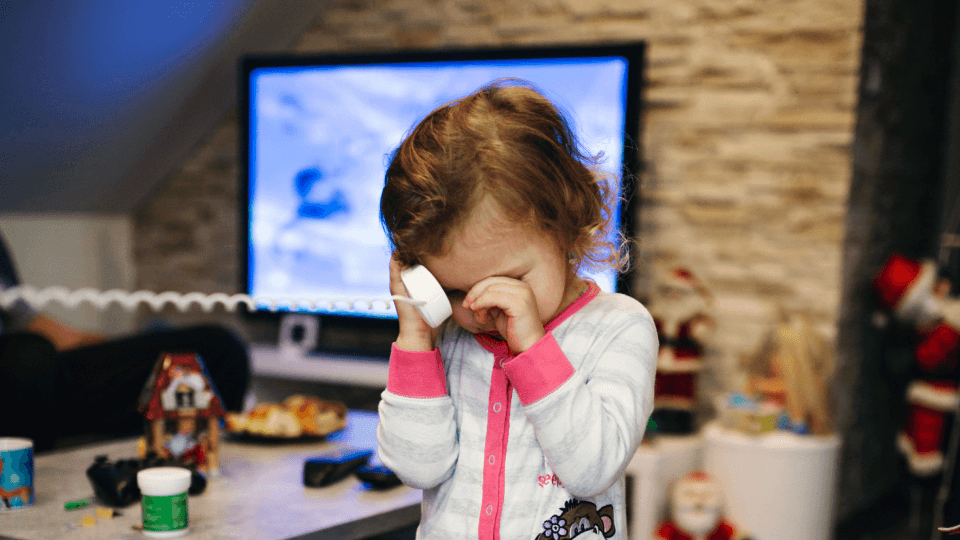
A calm space helps the human mind settle. Environmental distractions like loud TV, chatter, or clutter steal focus. A distraction-free environment makes it easy to start and easy to stay. Think of it as a small, quiet zone for study.
Choose one spot with good light and a clear desk. Keep supplies close. Turn off the TV when no one watches it. These simple steps cut television distractions and give kids the space to improve concentration.
Habit 4: Stop Multitasking to Boost Focus and Productivity
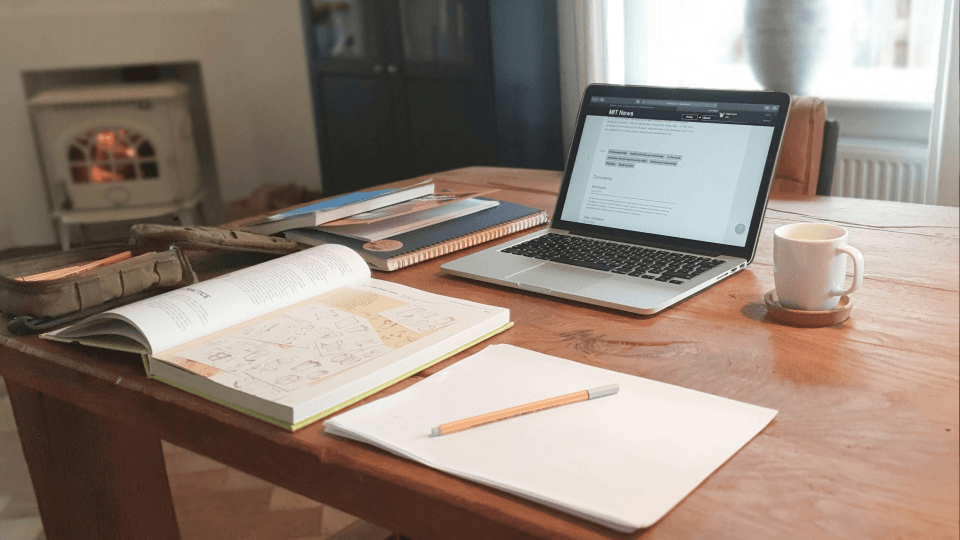
Homework with a screen on is not real study. It is task switching in disguise. Each switch costs energy and hurts cognitive performance. Kids end up with weak memory of the lesson and more mental fatigue.
Teach one thing at a time. Set a timer for ten to twenty minutes. Close extra internet tabs and mute device notifications. When the timer ends, give a short break. This builds focus and productivity step by step.
Habit 5: Read Together Every Day
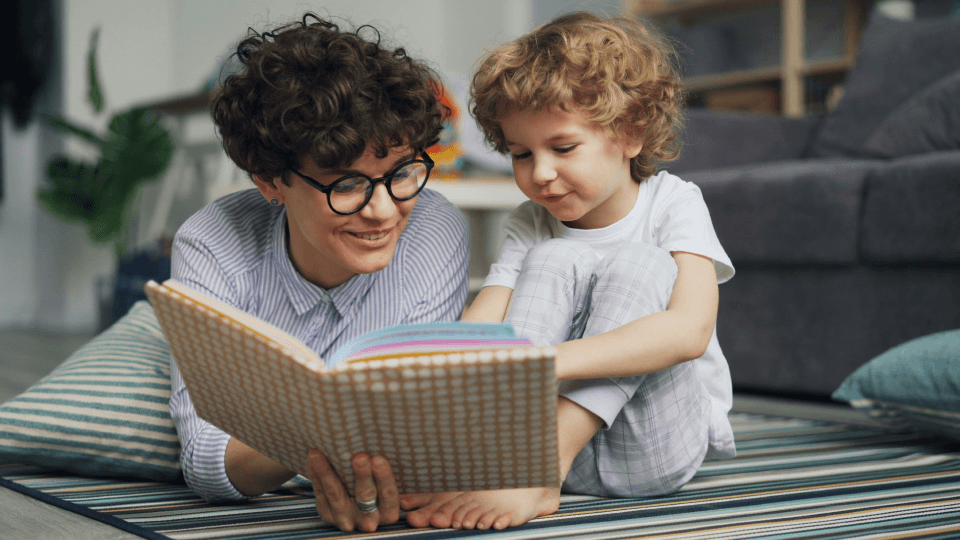
Reading builds attention like few other habits. A story asks a child to listen, picture, and follow the plot. This is real practice in sustained attention. It also grows memory, language, and calm feelings.
Read aloud for ten minutes each night. Let your child pick the book. Ask, “What happens next?” Try short chapters first, then move toward full novels as skills grow. This helps counter shorter attention spans over time.
Habit 6: Delay Screens and Manage Social Media Distractions
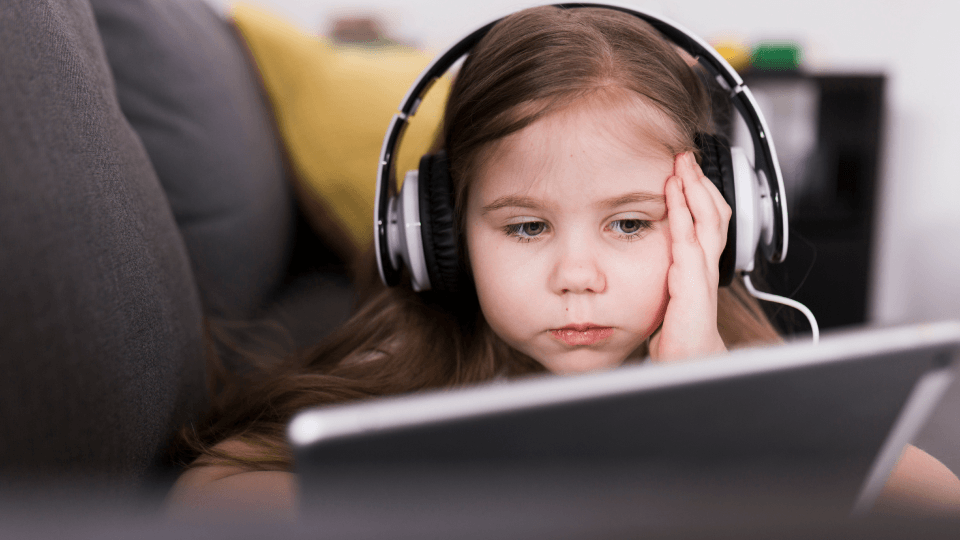
Screens are fun, but fast content trains the brain to expect quick rewards. Some research links heavy early screen use to attention span decline, but results vary. Some places, like Australia, have even passed social-media bans for young teens. This shows how serious the concern has become.
At home, keep things simple. Delay screens for little ones and follow pediatric guidance. For older kids, limit social media distractions and keep phones out of bedrooms. Real-world play gives the brain richer practice than any app.
Habit 7: Model Focus Yourself
Kids copy what they see. If you scroll at dinner, they learn that attention is split. If you focus on a task and return after a break, they learn that too. Your habits are their first lesson in mental focus.
Say it out loud. “I got distracted, so I am going back to my work.” This shows that digital distractions are normal and can be handled. A few phone-free moments each day also build trust.
How to Improve Concentration Every Day: Quick Summary
Pick one habit and start small. The table below links each habit to what it trains. Add a new habit every two or three weeks.
| Habit | What it trains | Daily time |
|---|---|---|
| Let them get bored | Self-directed attention | 10–15 minutes |
| Unstructured play | Sustained attention | 30–60 minutes |
| Quiet space | Concentration | Whole study time |
| One task at a time | Less task switching | 10–20 minutes |
| Read together | Memory and focus | 10 minutes |
| Delay screens | Fewer digital distractions | All day |
| Model focus | Habits by example | All day |
FAQ: How to Focus and Improve Concentration
How can I help my child focus better at home?
Start with one habit, such as a quiet homework spot or a nightly story. Keep it steady for a few weeks. Small changes beat big overhauls.
Do screens really cause shorter attention spans?
The research is still growing. Some studies link heavy use to focus problems. A balanced approach is wise: limit screens and protect play, reading, and talking.
When should I see a doctor?
Talk to your pediatrician if focus problems are strong, last a long time, and show up at home and school. This article is not medical advice.
Conclusion: Start With One Habit This Week
Learning how to focus does not need a perfect home. It needs small, steady choices. Let kids get bored, protect play, quiet the room, read together, limit screens, and show focus yourself. These habits protect attention, memory, and concentration for life.
Want the free guide? Comment BOOTCAMP on our post, and we will send you “Raising a Bright Mind.”
Reggio Emilia vs Montessori: Which Approach Is Best for Your Child?
Reggio emilia vs montessori, Choosing the right preschool can feel overwhelming, especially when you’re comparing popular approaches like Reggio Emilia approach and Montessori. Both focus on the child, encourage curiosity, and create learning experiences that go beyond traditional worksheets and lectures. However, they differ in how children explore ideas, interact with teachers, use learning materials, and develop independence. Understanding these differences can make your decision much easier.
The Reggio Emilia philosophy gives children many ways to express ideas through art, conversation, movement, and exploration, while the Montessori approach places more emphasis on independence, practical skills, and carefully designed activities. In this guide, we’ll compare both approaches to help you choose the best fit for your child and family.
1: What Are Reggio Emilia vs Montessori?
The Reggio Emilia approach is an early childhood education philosophy that views children as capable, curious, and active participants in their own learning. It developed in Reggio Emilia, Italy, after World War II through the work of educator Loris Malaguzzi and the local community. The approach places strong value on relationships, creativity, communication, exploration, and inquiry-based learning. Instead of following one fixed path, teachers often build an emergent curriculum around the questions and interests of the children. The classroom itself is carefully designed to encourage discovery. This is why Reggio educators often describe the environment as a third teacher.
The Montessori approach was developed by Maria Montessori and is based on careful observation of how children naturally learn. The Montessori philosophy focuses strongly on independence, concentration, order, movement, and purposeful activity. Children work with carefully designed Montessori materials, often called didactic materials, that help them understand concepts through direct experience. A Montessori classroom usually gives children freedom within clear limits. They can make meaningful choices and work at their own pace. This creates a strong foundation for independent learning, self-directed learning, and confidence.
2: reggio emilia vs montessori: Origins and Philosophy
The Reggio Emilia philosophy grew from a community effort to create a better future for children. Loris Malaguzzi believed that children should not be treated as empty vessels waiting for adults to fill them with information. Instead, children were viewed as thinkers with ideas worth listening to. A major idea from this philosophy is the Hundred Languages of Children. This means children have many ways to communicate and understand ideas. Drawing, painting, building, movement, music, conversation, photography, storytelling, and dramatic play can all become ways of thinking and learning. Reggio Children continues to promote and document this educational tradition.
The Montessori philosophy began through the work of Maria Montessori, who observed children closely and designed environments that supported their natural development. Montessori believed children needed freedom, but that freedom worked best within an organized setting. This led to the idea of the prepared environment. The classroom contains materials and furniture designed around children’s abilities. Children learn through repeated practice and gradually develop self-discipline, concentration, and independence. Montessori education often moves from concrete to abstract. A child may first touch and manipulate physical objects before moving toward more abstract mathematical or language ideas.
| Area | Reggio Emilia | Montessori |
|---|---|---|
| Core idea | Children are capable researchers and communicators | Children are capable and independent learners |
| Learning style | Inquiry-based learning and project-based learning | Hands-on learning and self-paced practice |
| Curriculum | Emergent curriculum | More intentionally sequenced |
| Teacher | Co-researcher and facilitator | Montessori guide |
| Environment | Often called the third teacher | Prepared environment |
| Materials | Open-ended materials and natural objects | Specialized didactic materials |
| Creativity | Central to investigation | Integrated into the wider curriculum |
| Social learning | Strong emphasis on collaborative learning | Strong emphasis on independent work with social experiences |
| Progress | Often shown through documentation | Often tracked through observation and mastery |
| Family role | Strong family partnership and community connection | Family involvement varies by school |
3: What Are the Key Similarities Between Reggio Emilia vs Montessori?
One of the biggest similarities in reggio emilia vs montessori is their respect for children. Neither philosophy sees young children as passive learners. Both support child-centered learning, where adults pay attention to what children can do, what they need, and how they respond to their surroundings. Both also value child-led learning, although the meaning of child-led learning is slightly different in each approach. Children are given choices and opportunities to explore, rather than spending the entire day listening to an adult.
Both approaches also value hands-on learning. Children learn by doing, touching, moving, building, observing, repeating, discussing, and experimenting. They can develop curiosity, problem-solving skills, communication, and confidence through real experiences. Both philosophies can also support social-emotional learning. Children learn to communicate with others, manage emotions, respect boundaries, develop empathy, and become more aware of their own abilities. In both approaches, the quality of the teacher and the learning environment matters enormously.
| Shared Principle | How It Appears in Practice |
|---|---|
| Child-centered learning | Adults respond to children’s needs and development |
| Child-led learning | Children have meaningful choices |
| Hands-on learning | Children learn through real experiences |
| Observation | Teachers watch and record children’s progress |
| Independence | Children are encouraged to do appropriate tasks themselves |
| Curiosity | Questions and exploration are welcomed |
| Peer learning | Children learn from and with other children |
| Social-emotional learning | Relationships, communication, and emotional growth are supported |
| Family involvement | Parents can become part of the child’s learning journey |
4: What Are the Main Differences Between Reggio Emilia vs Montessori?
The biggest difference between reggio emilia vs montessori is the way each philosophy organizes learning. Montessori generally provides a more structured sequence of activities and materials. Children often select work from the classroom and repeat it until they develop self-paced mastery. Reggio Emilia is more flexible. Teachers observe the children’s questions and interests and use them to develop projects. This is known as an emergent curriculum. A child’s question can become the starting point for a long investigation.
Another important difference is the balance between individual and group learning. Montessori often gives children substantial time for independent work. Reggio Emilia places more emphasis on collaborative learning, shared investigation, and collaborative projects. This does not mean Montessori children never work together or Reggio children never work alone. The difference is mainly one of emphasis. Montessori often asks, “What skill is this child ready to master?” Reggio may ask, “What are these children wondering about, and how can we investigate it together?”
| Difference | Reggio Emilia | Montessori |
|---|---|---|
| Curriculum | Emerges from children’s interests | More structured sequence |
| Main learning mode | Investigation and projects | Individual hands-on work |
| Social learning | Frequent group inquiry | Individual work with peer experiences |
| Materials | Flexible and open-ended | Purposefully designed |
| Teacher relationship | Co-researcher | Montessori guide |
| Creativity | A central method of communication | One part of purposeful learning |
| Documentation | Highly visible | More commonly used for teacher observation |
| Pace | Can change as projects develop | Often follows individual readiness and mastery |
reggio emilia vs montessori: Curriculum Structure
A Montessori curriculum usually has clear areas such as practical life, sensorial learning, language, mathematics, and cultural studies. Children are introduced to activities when they are developmentally ready. The materials often build on one another. Reggio classrooms can cover the same developmental areas, but the path may look less predictable. For example, an interest in birds may lead to drawing birds, studying feathers, counting birds, creating bird sculptures, reading books, mapping habitats, and discussing how birds communicate.
reggio emilia vs montessori: Creativity and Expression
Creativity has a particularly visible role in Reggio Emilia. The Hundred Languages idea encourages children to represent their thinking in many forms. Creative expression, storytelling, mapping, photography, construction, movement, and art can all become part of a learning project. Montessori also values creativity, but it usually combines creative experiences with purposeful activities and a carefully organized curriculum. Montessori should not be described as “less creative.” Its approach simply gives creativity a different place within the learning process.
5: reggio emilia vs montessori: Learning Environment and Classroom Setup
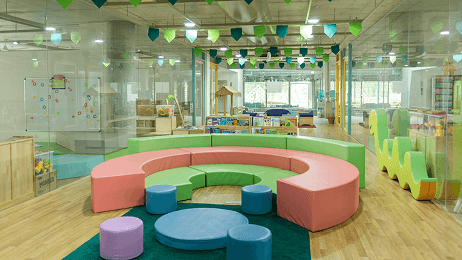
The classroom is a major part of the Reggio Emilia approach. A Reggio Emilia classroom may include natural light, plants, art materials, mirrors, documentation, books, clay, blocks, fabric, wire, recycled objects, and other open-ended materials. These materials do not have only one correct use. A piece of wood could become a bridge, a house, a measuring tool, or part of a sculpture. The environment is designed to encourage open-ended exploration and make children’s thinking visible. This explains the idea of the environment as a third teacher.
A Montessori classroom is usually more orderly and carefully arranged. Shelves are accessible to children, furniture is often child-sized furniture, and materials have clear places. A child may see practical activities, mathematics materials, language materials, sensorial activities, and cultural materials arranged in an organized way. The prepared environment reduces unnecessary dependence on adults. Children can often choose a material, carry it to a work area, complete the activity, return it, and select another activity. This daily structure can support independent learning, concentration, and self-discipline.
| Classroom Feature | Reggio Emilia Classroom | Montessori Classroom |
|---|---|---|
| Furniture | Flexible and child-friendly | Child-sized furniture |
| Materials | Open-ended materials | Specialized didactic materials |
| Art | Often highly visible | Included as part of the curriculum |
| Documentation | Frequently displayed | Usually used more for observation |
| Organization | Flexible and project-based | Highly ordered |
| Nature | Often strongly integrated | Commonly included where appropriate |
| Group work | Frequently encouraged | Balanced with individual work |
| Independent work | Supported | Strong emphasis |
| Environment | Third teacher | Prepared environment |
6: How Do Children Learn in Reggio Emilia and Montessori?
Children in Reggio Emilia often learn through questions and investigations. A teacher may notice that several children are fascinated by shadows. Instead of immediately giving them a worksheet about light, the teacher may provide a flashlight, objects, paper, mirrors, and other materials. Children can make predictions, test ideas, draw what they see, and discuss their discoveries. This creates inquiry-based learning and project-based learning. The project can grow according to the children’s ideas.
Montessori learning often follows a different path. A teacher introduces a specific activity, and the child practices it independently. For example, a child may work with the pink tower to explore differences in dimension. Later, the child may work with bead chains to explore number relationships or sandpaper letters to connect visual symbols with sounds. Many Montessori materials include self-correction or a control of error, allowing children to notice mistakes without waiting for an adult to correct every step. This supports independent mastery and concentration.
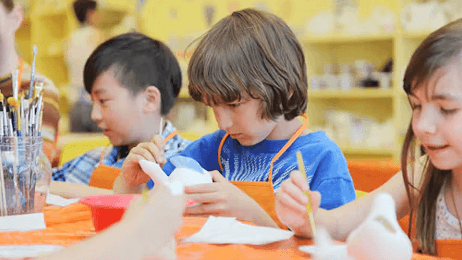
A Simple Example: Learning About Plants
Imagine both classrooms decide to explore plants. In a Reggio classroom, children may notice a plant growing toward a window. That observation could lead to questions about sunlight. They may draw the plant, photograph it, measure its growth, create a model, discuss roots, and investigate what happens when a plant receives different amounts of light. The project grows from the child’s interests and questions.
In a Montessori classroom, children may explore plant-related activities through carefully presented materials. They may learn plant vocabulary, parts of a plant, classification, care of living things, and practical activities such as watering. The learning is still active and concrete, but it usually follows a clearer sequence. Both approaches can create meaningful learning. They simply organize the learning journey differently.
7: The Role of the Teacher in reggio emilia vs montessori
The role of the teacher is important in both approaches, but it is not the same as the traditional image of a teacher standing in front of a class and delivering information. In Montessori education, the adult is commonly called a Montessori guide. The guide observes carefully, prepares the classroom, introduces materials, and knows when to step back. The goal is not to control every action. It is to create conditions where children can develop independence and concentration.
In Reggio Emilia, the teacher is often described as a co-researcher. The adult learns with the children rather than simply delivering answers. Teachers observe conversations, questions, drawings, constructions, and interactions. They use those observations to decide what materials or experiences might help children investigate an idea further. Co-constructed learning becomes possible because children and adults contribute to the learning process. This requires teachers to be attentive, flexible, reflective, and comfortable with questions that do not have immediate answers.
“The child is capable, curious, full of potential, and deserves to be listened to.”
The quote captures an important principle shared by both philosophies: children deserve respect. However, respectful teaching does not mean removing boundaries. Young children still need routines, safety rules, emotional support, clear expectations, and adults who can guide them when necessary.
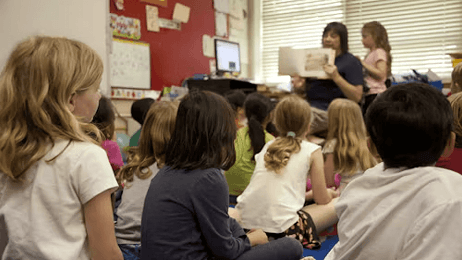
8: Materials, Creativity, Social-Emotional Learning and Assessment
The materials used in each approach reveal a lot about its philosophy. Montessori classrooms use specialized didactic materials designed to isolate and clarify concepts. The pink tower, bead chains, and sandpaper letters are familiar examples. Many activities encourage repetition and self-correction. Practical activities can include pouring, transferring, cleaning, dressing, sorting, and other practical life skills. Montessori also includes grace and courtesy, social development, and concepts related to peace education.
Reggio classrooms tend to use more open-ended materials. Clay, paint, wire, wood, stones, cardboard, fabric, natural objects, and recycled materials can become tools for investigation. Teachers may introduce provocations, which are carefully prepared invitations to explore an idea. Creativity is not simply an art period. It can become a method of thinking. Children may use drawing, building, movement, dramatic play, storytelling, or photography to communicate what they understand.
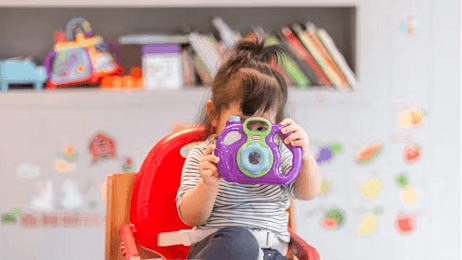
Creativity and Social-Emotional Learning
Both approaches can support social-emotional development, but they often emphasize different experiences. Montessori can build confidence through independence. A child who learns to pour water, prepare a snack, organize materials, or complete a task without unnecessary adult help experiences a real sense of capability. This can strengthen self-discipline, confidence, and responsibility.
Reggio Emilia places strong emphasis on relationships and community. Children often investigate ideas together. They listen to one another, negotiate meaning, solve problems, and learn through peer learning. These experiences can support communication, empathy, resilience, and social-emotional learning. Family relationships are also important. Family partnership and community involvement can extend learning beyond the classroom.
How Assessment Works
Assessment in early childhood should not simply mean giving young children tests. Both approaches can rely heavily on observation. Teachers watch how children communicate, solve problems, interact, concentrate, use materials, and respond to challenges. This information can guide future teaching.
Reggio Emilia is especially known for pedagogical documentation, documentation panels, narrative assessment, and learning portfolios. Teachers may collect children’s drawings, photographs, conversations, project notes, and reflections to show how an idea developed over time. Montessori teachers also observe children’s work closely and use progress tracking to understand readiness, skill development, and material mastery. This is a form of formative assessment because the information helps teachers decide what support or challenge a child may need next.
9: Which Is Better for Your Child: Reggio Emilia or Montessori?
There is no universal winner in reggio emilia vs montessori. A child does not automatically succeed because a school uses one philosophy. The quality of implementation matters. So does the teacher. So does the classroom. Most importantly, the school should match the child’s needs, personality, developmental stage, and family expectations.
A child who enjoys order, repetition, practical tasks, and working independently may enjoy a Montessori setting. A child who loves asking questions, creating stories, building things with friends, and exploring open-ended ideas may enjoy a Reggio-inspired setting. However, child temperament should never be used as a strict label. Children change as they grow. A quiet child can become a confident collaborator. An active child can develop strong concentration when given meaningful work.
| If Your Family Values… | A Possible Fit |
|---|---|
| Independence | Montessori |
| Self-paced mastery | Montessori |
| Practical life skills | Montessori |
| Strong classroom structure | Montessori |
| Open-ended exploration | Reggio Emilia |
| Collaborative inquiry | Reggio Emilia |
| Creative expression | Reggio Emilia |
| Long-term projects | Reggio Emilia |
| Strong community connections | Reggio Emilia |
| A combination of both | A high-quality blended program |
Case Study: Two Children, Two Different Experiences
Consider a four-year-old named Emma who loves organizing objects. She enjoys repeating activities and becomes deeply focused when working alone. In a well-run Montessori classroom, Emma may benefit from choosing purposeful activities, repeating them, and gradually developing mastery. The structured daily routine and uninterrupted work period may help her build concentration without unnecessary interruption.
Now consider Noah, another four-year-old who constantly asks “why?” He enjoys drawing, talking with classmates, building structures, and changing his ideas after seeing what others discover. A Reggio-inspired classroom may give Noah more opportunities for collaborative inquiry, creative projects, and discussion. He may thrive when his questions become part of a larger investigation.
Neither child is “better suited” to one philosophy forever. The examples simply show why parents should think about the individual child rather than choosing a preschool based only on a famous educational label.
10: How to Choose the Right Preschool: What Parents Should Look For
When choosing a preschool, start with the actual school rather than its educational label. Two schools can both call themselves Montessori and offer very different experiences. The same is true for Reggio-inspired programs. Visit the classroom if possible. Watch how teachers speak to children. Notice whether children look comfortable, engaged, respected, and appropriately challenged. A beautiful classroom means little if the adult-child relationships are poor.
Parents should also ask how the school turns its philosophy into daily practice. Ask about teacher training, classroom ratios, the daily rhythm, outdoor time, screen use, learning materials, communication with families, and how teachers monitor development. Ask whether children have an uninterrupted work cycle or uninterrupted work period for meaningful learning. Ask how the school handles conflict, mistakes, transitions, and emotional needs. These details often tell you more than the school’s marketing language.
What Should Parents Observe During a Preschool Visit?
| What to Look At | What to Ask Yourself |
|---|---|
| Teacher-child interaction | Do adults speak respectfully to children? |
| Classroom environment | Is it calm, safe, and engaging? |
| Materials | Can children access suitable materials independently? |
| Daily rhythm | Is there enough time for meaningful exploration? |
| Social interaction | Do children have opportunities for peer learning? |
| Emotional support | How do teachers respond to frustration or conflict? |
| Independence | Are children encouraged to do appropriate tasks themselves? |
| Creativity | Are children allowed to express ideas in different ways? |
| Family communication | Does the school value family partnership? |
| Progress tracking | How does the school communicate child development? |
Look Beyond the Philosophy
The strongest preschool decision comes from looking at the whole picture. A school can have an impressive philosophy but weak implementation. Another school may use a less famous label but have excellent teachers, thoughtful routines, safe classrooms, strong relationships, and responsive teaching. For parents, those daily experiences matter more than the name on the brochure.
A high-quality preschool should also respect child development. Young children need movement, play, rest, social interaction, language, hands-on experiences, and emotional security. They should have opportunities to make choices without being expected to manage everything alone. They should also have adults who know when to guide, when to observe, and when to step in.
11: reggio emilia vs montessori for Different Ages
The differences between Reggio Emilia and Montessori can look different depending on a child’s age. Toddlers need close adult support, movement, language development, sensory experiences, and opportunities to practice independence. A Montessori environment may offer carefully prepared practical activities, while a Reggio-inspired environment may provide rich sensory exploration and open-ended experiences. At this age, the quality of relationships and the safety of the environment are especially important.
For preschoolers, both approaches can support growing independence, communication, early mathematics, literacy, problem-solving, creativity, and social skills. Montessori may provide more visible progression through specific materials and activities. Reggio Emilia may develop longer investigations based on children’s questions. For kindergarten-age children, parents should also consider how the school prepares children for the next educational setting. The transition matters as much as the philosophy.
12: reggio emilia vs montessori: Pros and Cons
Montessori can be particularly valuable when children benefit from independence, predictable routines, purposeful activity, and opportunities for repeated practice. Its carefully designed materials can make abstract ideas easier to understand through direct experience. The approach can also encourage concentration and practical independence. However, not every Montessori classroom is implemented in the same way. Parents should always visit and understand what the particular school actually does.
Reggio Emilia can be powerful for children who enjoy questions, creativity, communication, group investigation, and open-ended projects. Its emphasis on relationships and documentation can give parents a detailed view of the child’s learning journey. However, Reggio-inspired schools can also vary widely because there is no single universal classroom formula that every school follows. Parents should ask what the school means when it uses the term “Reggio-inspired.”
| Area | Reggio Emilia | Montessori |
|---|---|---|
| Independence | Strong | Very strong |
| Creativity | Very strong | Strong, with a different structure |
| Inquiry | Very strong | Present through exploration and materials |
| Collaboration | Very strong | Present but balanced with individual work |
| Routine | Flexible | Usually more structured |
| Materials | Open-ended | Specialized |
| Projects | Central | Less central |
| Practical skills | Included | Strong emphasis |
| Observation | Very important | Very important |
| Documentation | Highly visible | Often more teacher-focused |
13: Frequently Asked Questions About reggio emilia vs montessori
Is Reggio Emilia better than Montessori?
No. Neither approach is automatically better for every child. reggio emilia vs montessori should be viewed as a question of fit. Parents should consider the child’s personality, the family’s values, the school’s teachers, the classroom environment, and the quality of implementation. A strong school can support children well under either philosophy.
What is the main difference between Reggio Emilia and Montessori?
The main difference is how learning is organized. Montessori generally uses a carefully prepared environment with specialized materials and a more structured progression toward independent mastery. Reggio Emilia emphasizes relationships, emergent curriculum, collaborative inquiry, projects, and multiple forms of expression.
Is Montessori or Reggio Emilia better for creativity?
Both can support creativity. Reggio Emilia makes creative expression especially central through the Hundred Languages of Children. Montessori also provides opportunities for art, music, movement, construction, and imagination, but these experiences usually exist within a more structured learning environment.
Can Montessori and Reggio Emilia be combined?
Yes. Some preschools use a blended approach. A school may use Montessori-inspired practical activities while also offering Reggio-style projects and open-ended materials. The important question is whether the combination is intentional and developmentally appropriate. Parents should ask exactly how each philosophy influences the classroom.
Which approach is better for a shy child?
There is no simple answer. A shy child may benefit from Montessori’s opportunity for quiet independent work. The same child may also benefit from a Reggio classroom that gently supports relationships and group participation. The teacher’s sensitivity may matter more than the educational label.
Is Reggio Emilia play-based?
Reggio Emilia includes play, exploration, creative expression, relationships, and project work. Learning may happen while children construct, draw, investigate, talk, pretend, experiment, and solve problems. The focus is not simply on keeping children busy. Experiences are used to develop ideas and deepen understanding.
Is Montessori play-based?
Montessori often uses the term “work” rather than treating all activities as traditional free play. Children may choose purposeful activities and repeat them for long periods. For a young child, that work can still be joyful, engaging, physical, creative, and deeply satisfying. The key difference is that Montessori activities are often designed with specific developmental purposes.
Is Reggio Emilia or Montessori better for kindergarten readiness?
Kindergarten readiness is broader than knowing letters and numbers. Children also need communication skills, confidence, emotional regulation, independence, social skills, attention, and problem-solving abilities. Both philosophies can support these areas. Parents should ask the specific preschool how it prepares children for the next stage of education.
14: Final Verdict: reggio emilia vs montessori
So, Reggio Emilia vs montessori : which approach is best for your child? The honest answer is that there is no single choice that works for every family. Montessori may be a strong fit for families who value independence, purposeful work, concentration, practical skills, and a carefully ordered classroom. Reggio Emilia may appeal to families who value inquiry, creativity, relationships, collaboration, and project-based exploration.
The most important decision is not the label. It is the quality of the people and environment your child will experience every day. Look for warm and respectful teachers. Look for meaningful child-led learning. Look for a safe and engaging classroom environment. Look for thoughtful observation, strong communication, and opportunities for both independence and connection. Most of all, choose a preschool where your child feels safe enough to ask questions, confident enough to try, and supported enough to make mistakes. That is where meaningful child development and a lifelong love of learning can begin.
